
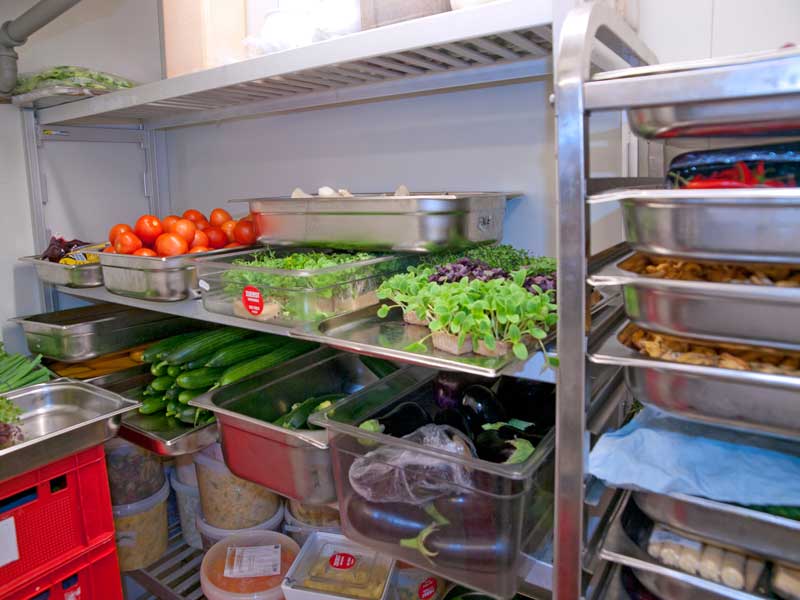
If you’re in the restaurant industry, you know all too well how restaurants depend on commercial refrigeration every hour of every day. Walk-in coolers, reach-in refrigerators, freezers, prep tables, beverage coolers, and other refrigeration equipment keep food and ingredients at the temperatures necessary for quality and food safety. When one of these systems suddenly stops working, restaurant owners and managers cannot afford to wait until the next business day to address the problem.
A refrigeration failure is more than an inconvenience. It can quickly become a costly emergency involving spoiled food, interrupted operations, unhappy customers, and potential food-safety concerns. Having access to 24/7 emergency refrigeration service gives restaurants a critical resource when equipment fails unexpectedly. Knowing when to call a service technician and understanding the consequences of delaying that call can make a major difference.
Why Commercial Refrigeration Is So Important
Restaurants typically store large quantities of perishable foods, including meat, seafood, dairy products, produce, sauces, prepared foods, and other temperature-sensitive ingredients. These products depend on reliable refrigeration from delivery through preparation and service.
Commercial refrigeration equipment is designed for demanding environments, but even well-maintained systems can experience unexpected problems. Compressors can fail, fans can stop working, thermostats can malfunction, electrical components can develop issues, and refrigerant-related problems can prevent equipment from maintaining proper temperatures.
When a refrigerator or freezer begins showing signs of trouble, it is important to take the problem seriously. A unit that is making unusual noises, leaking water, running constantly, building excessive frost, or struggling to maintain its normal temperature may require professional attention.
Food Spoilage Can Happen Quickly
One of the biggest consequences of delaying refrigeration repairs is food spoilage. Once refrigeration equipment stops maintaining safe temperatures, perishable foods can begin warming.
The longer the equipment remains malfunctioning, the greater the potential for food loss. Restaurants may have to discard meat, seafood, dairy products, prepared foods, and other ingredients that can no longer be safely used.
For a restaurant with a fully stocked walk-in cooler or freezer, the financial loss can be substantial. The cost is not limited to the original purchase price of the food. Restaurants may also lose money because they have to replace ingredients unexpectedly, adjust menus, or operate with limited inventory.
Calling a technician immediately can help identify the problem before a temporary equipment issue becomes a major inventory loss.
Food Safety Should Always Be a Priority
Temperature control is a fundamental part of food safety. Refrigeration equipment helps restaurants keep perishable foods within appropriate temperature ranges and reduce the conditions that allow harmful microorganisms to multiply.
If a refrigeration system is not maintaining proper temperatures, restaurant employees need to follow their food-safety procedures and determine whether affected products can still be used. When there is uncertainty about the safety of food, it should not be treated as safe simply because the equipment has been repaired.
A refrigeration technician can address the equipment problem, but restaurant staff must also follow applicable food-safety protocols regarding potentially temperature-abused food.
Delaying Repairs Can Make the Problem Worse
A common mistake is assuming a refrigeration problem will correct itself. For example, a refrigerator may still feel somewhat cool even though its temperature is gradually increasing. A restaurant might continue operating the equipment and postpone calling for service.
Unfortunately, small problems can develop into larger failures. A component that is struggling may place additional stress on other parts of the refrigeration system. What might have initially been a relatively straightforward repair could eventually require more extensive service.
Calling a qualified technician as soon as a problem is noticed gives the restaurant a better opportunity to address the underlying issue before additional components are affected.
Business Operations Can Be Disrupted
Restaurants cannot function normally without reliable refrigeration. A major equipment failure may force employees to reorganize kitchen operations, move ingredients to other units, or temporarily stop serving certain menu items.
If multiple refrigeration units are affected, the disruption can become even more significant. Employees may spend valuable time managing the emergency instead of preparing food and serving customers.
In severe situations, a restaurant may need to close temporarily until refrigeration and food-safety concerns are resolved. Even a short closure can result in lost sales and dissatisfied customers.
Menu Availability Can Suffer
Restaurants depend on having the ingredients needed to prepare their menus. When refrigeration equipment fails and food has to be discarded, chefs and kitchen managers may suddenly find themselves without essential ingredients.
This can result in menu changes, unavailable dishes, or substitutions that customers may not expect. If the restaurant has a reputation for offering certain popular dishes, losing the ingredients needed to prepare them can have a noticeable effect on customer satisfaction.
Fast emergency refrigeration service can help reduce the amount of time the restaurant has to operate under these limitations.
Emergency Refrigeration Service Protects Valuable Equipment
Commercial refrigeration equipment represents a significant investment. Walk-in coolers, freezers, reach-in units, prep refrigeration, and other systems can be expensive to purchase and install.
Prompt professional service can help protect that investment. When a technician diagnoses a problem early, the restaurant may be able to repair the affected component rather than dealing with a more extensive system failure.
Regular preventive maintenance is also important. Scheduled inspections and service can help identify worn components and potential problems before they result in an emergency.
Why 24/7 Availability Matters
Refrigeration problems do not follow a convenient schedule. A compressor can fail during the lunch rush, a freezer can stop working overnight, or a walk-in cooler can develop a problem over the weekend.
Waiting until normal business hours is not always practical. Every hour can matter when a restaurant is trying to protect perishable inventory.
A 24/7 emergency refrigeration service gives restaurant owners and managers access to professional assistance when unexpected failures happen outside of regular operating hours. This can provide valuable peace of mind, particularly for restaurants that operate late at night, early in the morning, or around the clock.
Warning Signs That Should Not Be Ignored
Restaurant employees should know the warning signs of a refrigeration problem. These can include:
- Temperatures rising above normal levels
- Unusual noises or vibrations
- Excessive frost or ice buildup
- Water leaks or pooling
- Equipment running continuously
- Doors that do not seal properly
- Unusual odors
- Error codes or alarm notifications
- Inconsistent temperatures throughout a refrigerator or freezer
Any of these signs may indicate that professional service is needed. Ignoring them can increase the risk of a sudden breakdown.
What Restaurants Should Do During a Refrigeration Emergency
When a refrigeration system fails, employees should follow the restaurant’s established emergency procedures. Keep refrigerator and freezer doors closed as much as possible to help preserve the temperature inside. Check and document temperatures according to the facility’s food-safety procedures, and separate potentially affected food as necessary.
Restaurant management should contact a qualified commercial refrigeration technician as soon as possible. Employees should avoid attempting complicated repairs themselves, particularly when electrical, mechanical, or refrigeration components are involved.
The faster the problem is professionally evaluated, the sooner the restaurant can determine what caused the failure and what steps are needed to restore reliable operation.
Be Prepared Before a Breakdown Happens
The best time to establish a relationship with a commercial refrigeration service provider is before an emergency occurs. Restaurants can benefit from knowing exactly who to call when a critical refrigerator, freezer, or walk-in cooler stops working.
Preventive maintenance combined with reliable emergency service provides a more comprehensive approach to protecting refrigeration equipment. Instead of scrambling to find a technician during a crisis, restaurant managers can have a trusted resource ready to respond.
Don’t Wait to Call for Emergency Refrigeration Service
A commercial refrigeration failure can quickly become a major restaurant emergency. Delaying service can lead to food spoilage, potential food-safety concerns, expensive inventory losses, menu disruptions, equipment damage, and even temporary business closures. Restaurants should take warning signs seriously and contact a qualified technician immediately when refrigeration equipment is not operating properly. Nextech provides commercial refrigeration services, including emergency support, to help restaurants address unexpected refrigeration problems and keep critical equipment operating reliably. Having a dependable 24/7 service partner in place can give restaurant owners and managers confidence that help is available when they need it most.
Contact us to have our emergency service technician sent out to your restaurant immediately.