
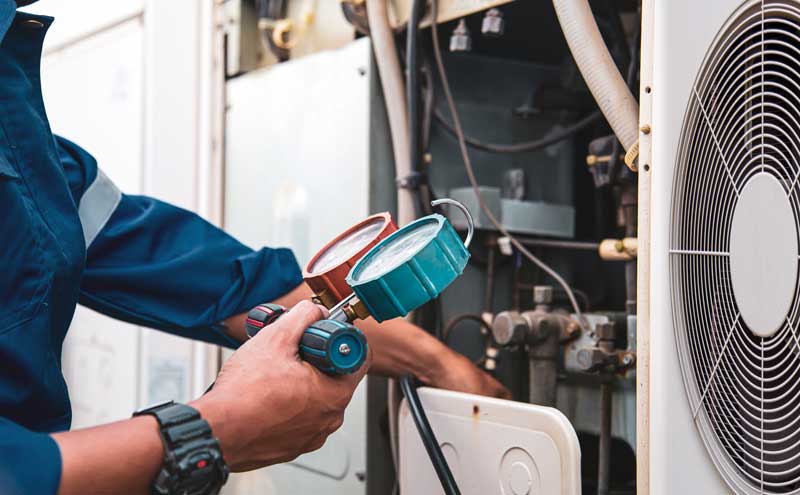
For grocery stores in Sun Prairie, Wisconsin, preparing HVAC systems for winter should not be something that happens after the first freezing temperatures arrive. Wisconsin winters can bring prolonged periods of cold, snow, ice, and rapidly changing temperatures, creating significant demands on commercial heating and refrigeration equipment. Grocery stores have an additional challenge because they must maintain comfortable temperatures for customers and employees while keeping refrigeration systems operating reliably. Starting winter HVAC preparation in Sun Prairie before fall gives grocery stores time to identify problems, complete necessary repairs, and improve system performance before winter weather places equipment under additional stress. That’s where a commercial HVAC & refrigeration service in Sun Prairie, WI steps in.
Wisconsin Winters Put Commercial HVAC Systems to the Test
Sun Prairie businesses need dependable heating systems throughout the winter months. When outdoor temperatures drop, a commercial HVAC system may operate for extended periods to maintain indoor temperatures. Equipment that has been neglected during warmer months may struggle to keep up with this demand.
A heating system that appears to be working properly in September or October may still have worn components, restricted airflow, electrical issues, or other developing problems. Once temperatures become consistently cold, those problems can turn into unexpected breakdowns.
Beginning winter preparation before fall ends provides enough time for technicians to inspect the system, identify potential concerns, and make repairs without the pressure of an emergency situation.
Prevent Unexpected Heating Breakdowns
A heating failure can create a major disruption for a grocery store. Employees and customers need a comfortable indoor environment, and extremely cold conditions can make it difficult for a business to operate normally.
Emergency HVAC repairs can also be more challenging during severe winter weather. Service technicians may be responding to numerous heating emergencies at the same time, while replacement parts or specialized equipment may take additional time to obtain.
Preventive maintenance helps reduce these risks. A professional inspection can uncover problems before they cause a complete system failure. Addressing those issues in the fall can give grocery stores greater confidence that their heating equipment will be ready when it is needed most.
Protect Employee and Customer Comfort
Grocery stores are often large commercial spaces with high ceilings, frequent door openings, and significant customer traffic. These characteristics can make temperature control more challenging during the winter.
Employees may spend entire shifts inside the store, while customers expect a comfortable shopping environment. If a heating system cannot maintain appropriate indoor temperatures, the experience can quickly become unpleasant.
Winter HVAC preparation can include evaluating heating capacity, airflow, thermostats, controls, and other components that contribute to consistent indoor temperatures. Taking care of these areas before winter arrives can help maintain a more comfortable environment throughout the store.
Improve Energy Efficiency Before Heating Demand Increases
Heating can represent a significant operating expense for a grocery store, particularly during Wisconsin’s colder months. Equipment that is dirty, poorly maintained, or operating inefficiently may need to work harder to produce the same results.
That additional workload can increase energy consumption and place more stress on system components.
Fall HVAC maintenance provides an opportunity to identify efficiency problems before heating demand increases. Cleaning components, checking airflow, inspecting electrical connections, evaluating controls, and addressing mechanical issues can all help a system operate more effectively.
Improving efficiency does not necessarily mean replacing an entire HVAC system. Sometimes relatively small maintenance or repair issues can have a meaningful effect on performance.
Don’t Forget About Grocery Store Refrigeration
HVAC preparation is important, but grocery stores also need to consider their refrigeration equipment when preparing for winter. Refrigerated and frozen products represent a significant investment, and equipment failures can result in spoiled inventory and substantial financial losses.
Walk-in coolers, walk-in freezers, reach-in refrigerators, display cases, and other refrigeration equipment should be inspected regularly. Technicians can look for signs of declining performance, unusual temperatures, damaged components, refrigerant-related problems, airflow restrictions, and other issues that could affect reliability.
Winter weather can also create unique operating conditions for refrigeration equipment. Outdoor temperatures can influence refrigeration system operation, while snow and ice may affect equipment located outdoors or on rooftops.
Inspect Rooftop HVAC Equipment
Many grocery stores rely on rooftop commercial HVAC units. These systems can be exposed to harsh weather conditions throughout the winter, making fall inspections especially important.
Technicians can inspect rooftop units for damaged components, electrical problems, worn belts, airflow issues, and other concerns. Outdoor equipment should also be evaluated for conditions that could interfere with normal operation during snow and ice events.
A proactive inspection allows businesses to address issues before technicians are dealing with equipment that has already been affected by severe winter conditions.
Check Airflow and Ventilation
Proper airflow is another important part of grocery store HVAC performance. Even when a heating system is producing warm air, restricted or poorly balanced airflow can prevent that heat from being distributed effectively.
Dirty filters, blocked vents, damaged ductwork, or mechanical problems can all contribute to airflow issues. These problems may become more noticeable once a heating system begins running continuously.
Fall is an ideal time to inspect and address these concerns. Proper airflow can help improve comfort while reducing unnecessary strain on HVAC equipment.
Evaluate Thermostats and Building Controls
Commercial HVAC systems often rely on thermostats, sensors, and building controls to regulate temperatures throughout a large grocery store. If these controls are inaccurate or malfunctioning, the HVAC system may not operate as efficiently or consistently as intended.
During a winter-preparation service, technicians can evaluate controls and determine whether they are communicating properly with the HVAC equipment. Correct settings and properly functioning controls can help grocery stores manage heating more effectively throughout the season.
Address Repairs Before They Become Emergencies
One of the biggest advantages of beginning winter preparation before fall is having time to complete repairs. If a technician discovers a failing component in September or October, the grocery store can schedule the necessary work before winter demand reaches its peak.
Waiting until January to address the same problem creates much greater risk. A minor issue could become a major breakdown, potentially affecting store operations, employee comfort, refrigeration, or inventory.
Proactive maintenance is therefore not simply about preparing equipment. It is about giving the business more control over when and how repairs are completed.
Create a Winter HVAC Maintenance Plan
Grocery stores can benefit from treating winter preparation as part of an ongoing commercial HVAC maintenance plan rather than a one-time inspection. Regular service allows technicians to monitor equipment performance, identify recurring issues, and recommend repairs or replacements when appropriate.
A maintenance plan can also help businesses budget for HVAC and refrigeration expenses instead of being surprised by unexpected emergency repairs.
For grocery stores in Sun Prairie, preparing ahead is particularly valuable because winter conditions can arrive quickly. Having heating and refrigeration equipment inspected before the fall season ends creates an opportunity to address concerns while weather conditions are still manageable.
Prepare Your Sun Prairie Grocery Store Before Winter Arrives
Winter HVAC preparation should never be postponed until the first major cold snap. For grocery stores in Sun Prairie, Wisconsin, starting the process before fall is over can help prevent heating emergencies, protect refrigeration equipment, improve energy efficiency, and maintain a comfortable environment for customers and employees.
Nextech, a professional commercial HVAC and refrigeration company, can inspect equipment, identify developing problems, complete repairs, and help grocery stores enter the winter season with greater confidence. Taking action early can ultimately help protect both daily operations and the valuable products inside the store. Be sure to contact us to have one of our technicians come out to you.