
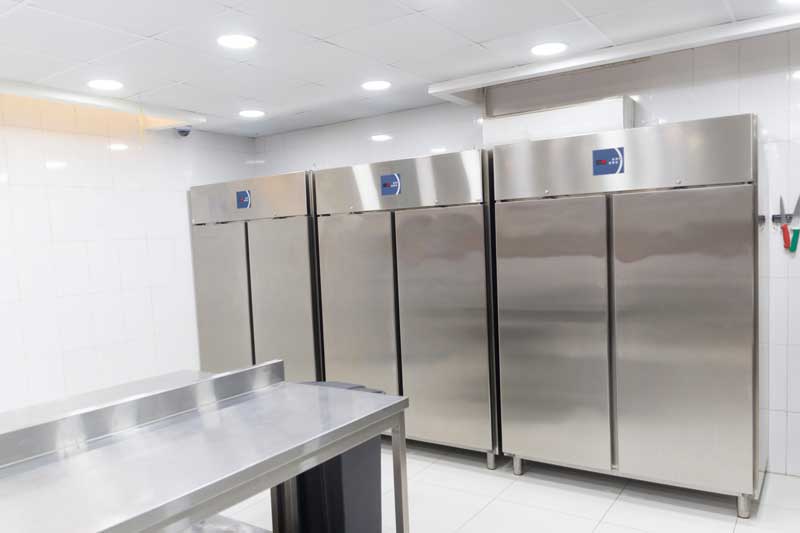
Restaurant refrigeration is an essential part of food safety. In Utah like other states, restaurants must follow food safety requirements designed to ensure that foods requiring temperature control are stored, held, cooled, and handled safely. Refrigerators, freezers, walk-in coolers, reach-in units, prep tables, and other commercial refrigeration equipment all play an important role in helping restaurants meet these requirements.
For restaurant owners and managers in cities like St. George, for instance, refrigeration compliance is about more than simply having equipment that turns on. Equipment must be capable of maintaining appropriate temperatures, and employees must monitor food and follow applicable storage and handling procedures. Understanding these requirements can help restaurants protect customers, reduce food waste, and avoid problems during health inspections.
Maintain Cold Foods at 41°F or Below
One of the most important refrigeration requirements for Utah restaurants is maintaining time/temperature control for safety (TCS) foods at 41°F or below, except when another approved food-safety method applies. Utah’s food safety rules establish 41°F or lower as the cold-holding standard for TCS foods.
TCS foods can include many common restaurant ingredients, such as meat, poultry, seafood, dairy products, cooked foods, and certain prepared foods. Maintaining appropriate temperatures helps slow the growth of microorganisms that can cause foodborne illness.
Commercial refrigeration equipment therefore needs to be capable of consistently maintaining safe temperatures, even during busy periods when doors are frequently opened and closed.
Refrigeration Equipment Must Be Properly Maintained
A restaurant cannot maintain safe food temperatures if its refrigeration equipment is not working properly. Commercial refrigerators and freezers need regular attention to help ensure they remain capable of doing their job.
Equipment problems can include failing compressors, damaged door seals, dirty condenser coils, malfunctioning thermostats, refrigerant issues, electrical problems, and blocked airflow. Even a refrigerator that appears to be operating normally may have difficulty maintaining a safe internal temperature if one of its components is failing.
Preventive maintenance from a qualified commercial refrigeration technician in St. George can help identify these problems before they result in a complete breakdown or food-safety issue.
Monitor Refrigerator Temperatures
Restaurant employees should have procedures in place for monitoring refrigeration temperatures. Checking equipment regularly can help staff identify a problem before food has been exposed to unsafe conditions for an extended period.
Temperature monitoring is particularly important for walk-in coolers and freezers because they can hold large quantities of food. If a walk-in cooler stops maintaining the proper temperature, the potential amount of affected inventory can be substantial.
Restaurants should also pay attention to temperature alarms, digital displays, and other warning systems. An unexpected temperature increase should be investigated rather than ignored.
Frozen Foods Must Remain Frozen
Utah requirements also address foods that are stored frozen. Foods that are required to be kept frozen should remain frozen until they are cooked or served, as applicable. Utah rules also provide requirements for certain commercially processed foods that are thawed under refrigeration, including temperature and date-marking requirements.
This makes dependable freezer operation essential for restaurants that store meat, seafood, frozen vegetables, desserts, prepared foods, and other frozen products.
A freezer that is developing excessive ice, struggling to maintain temperature, or experiencing mechanical problems should be evaluated promptly by a qualified technician.
Proper Cooling Is Also Important
Refrigeration compliance does not only involve storing cold food. Restaurants must also follow requirements for cooling foods after cooking.
TCS foods need to be cooled using approved methods and within the applicable time and temperature requirements. Commercial refrigeration equipment may be an important part of this process, particularly when restaurants prepare large quantities of food in advance.
Restaurant employees should understand that simply placing a large container of hot food into a refrigerator does not necessarily provide adequate cooling. Proper cooling procedures help prevent food from remaining in temperatures that allow harmful microorganisms to multiply.
Date Marking and Food Storage
Refrigeration compliance also involves managing how long ready-to-eat TCS foods are stored. Utah rules include date-marking requirements for certain ready-to-eat foods held under refrigeration. For applicable foods maintained at 41°F or below, the maximum storage period can be seven days, with the preparation day counted as day one.
Proper date marking helps restaurant employees know when food should be used, sold, or discarded. It also helps prevent older food from remaining in refrigerators indefinitely.
Clean and Organized Refrigeration Areas
Keeping refrigeration equipment clean and organized is another important part of maintaining a safe food-storage environment. Employees should be able to identify ingredients easily, prevent cross-contamination, and maintain appropriate airflow within refrigeration units.
Overloading a refrigerator can interfere with cold-air circulation and make it more difficult for the equipment to maintain consistent temperatures. Food should also be stored in a manner that helps prevent leaks or contamination of other products.
Door gaskets and seals should be inspected as well. A damaged gasket can allow warm air into the unit, forcing the refrigeration system to work harder and potentially causing temperature problems.
What Happens If Refrigeration Fails?
A refrigeration failure can create significant operational and financial problems for a restaurant. If food rises above the required temperature, management may have to determine whether products can safely remain in service. When food safety cannot be established, products may need to be discarded.
A major refrigeration failure can also disrupt restaurant operations. A walk-in cooler full of ingredients may contain thousands of dollars’ worth of inventory, making prompt service particularly important.
Restaurants should have a plan for refrigeration emergencies and know which commercial refrigeration company to contact when a critical unit fails.
Preventive Maintenance Helps Support Compliance
Compliance should not be treated as something that only matters immediately before a health inspection. Refrigeration systems should be maintained throughout the year.
Preventive maintenance can include inspecting refrigeration components, cleaning coils, checking temperatures, examining door seals, evaluating electrical connections, and identifying components that may be nearing failure.
Regular service can help restaurants find problems before they result in unsafe food temperatures or an unexpected equipment shutdown. It can also help improve equipment efficiency and extend the service life of expensive commercial refrigeration systems.
Keep Refrigeration Compliance a Priority
Restaurant refrigeration compliance in Utah requires careful attention to food temperatures, equipment performance, food storage, cooling procedures, and date marking. TCS foods generally need to be maintained at 41°F or below, while frozen foods must be maintained appropriately and other food-handling requirements must be followed. Because refrigeration equipment is directly connected to food safety, restaurants should take temperature problems and equipment failures seriously. Nextech provides commercial refrigeration services to help restaurants maintain reliable refrigeration systems, address equipment problems, and keep critical cooling equipment operating properly.
Working with Nextech, an experienced commercial refrigeration service provider, can help restaurant owners in St. George with equipment maintenance while supporting their ongoing food-safety responsibilities. Contact us to have one of our technicians dispatched to your restaurant.