
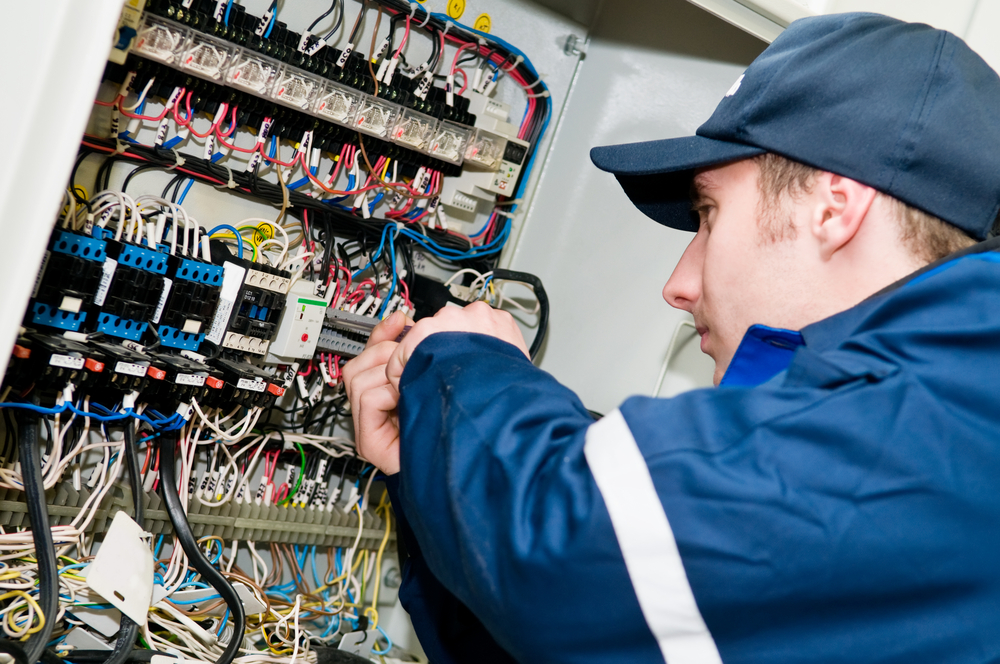
Winter is a peak season for HVAC work. Don’t get left in the cold — make sure to schedule your annual exams sooner than later!
It’s a generally good idea to schedule an appointment in the spring or fall, ahead of peak seasons for running HVAC systems. Summers and winters are the busiest times for HVAC contractors to work, and their schedules fill fast. The following is a thorough list for an HVAC system checkup:
- Check thermostat settings
- Review electrical connections and measure voltage and current on motors
- Lubricate all moving parts
- Check and clean the drain
- Make sure the system starts and shuts off properly
- Clean air conditioning coils
- Check and refresh refrigerant levels
- Clean blower parts
- Check all gas (or oil) connections
- Clean or change air filters
Source: www.hvac.lifetips.com; 2013.
Ensuring that your HVAC system is in optimal condition not only enhances comfort but also promotes energy efficiency. A well-maintained system runs more efficiently, which can lead to significant savings on your energy bills. During your annual HVAC checkup, technicians will assess the overall efficiency of your system, identifying any areas where improvements can be made. For instance, they may suggest upgrades such as programmable thermostats or energy-efficient filters that can help reduce electricity consumption.
The Importance of Regular Maintenance
Regular maintenance is critical for extending the lifespan of your HVAC system. Just like any other mechanical system, HVAC units require routine checkups to function at their best. Neglecting these checkups can lead to larger, more expensive repairs down the line. For example, a small refrigerant leak can escalate into a compressor failure if not addressed promptly. By scheduling your checkup annually, you can catch these issues early and avoid costly replacements.
What to Expect During Your Checkup
During your HVAC checkup, your technician will conduct a comprehensive inspection of your system. This includes examining ductwork for leaks, checking insulation, and ensuring that all components are functioning correctly. They will also test the airflow throughout your home to ensure even heating and cooling. If any issues are found, your technician can provide you with detailed recommendations for repairs or upgrades, helping you make informed decisions about your HVAC system.
In addition, take this opportunity to ask your technician any questions you may have about your HVAC system. They can provide valuable insights on how to optimize your system’s performance and maintain indoor air quality, ensuring your home remains a comfortable haven throughout the year.