
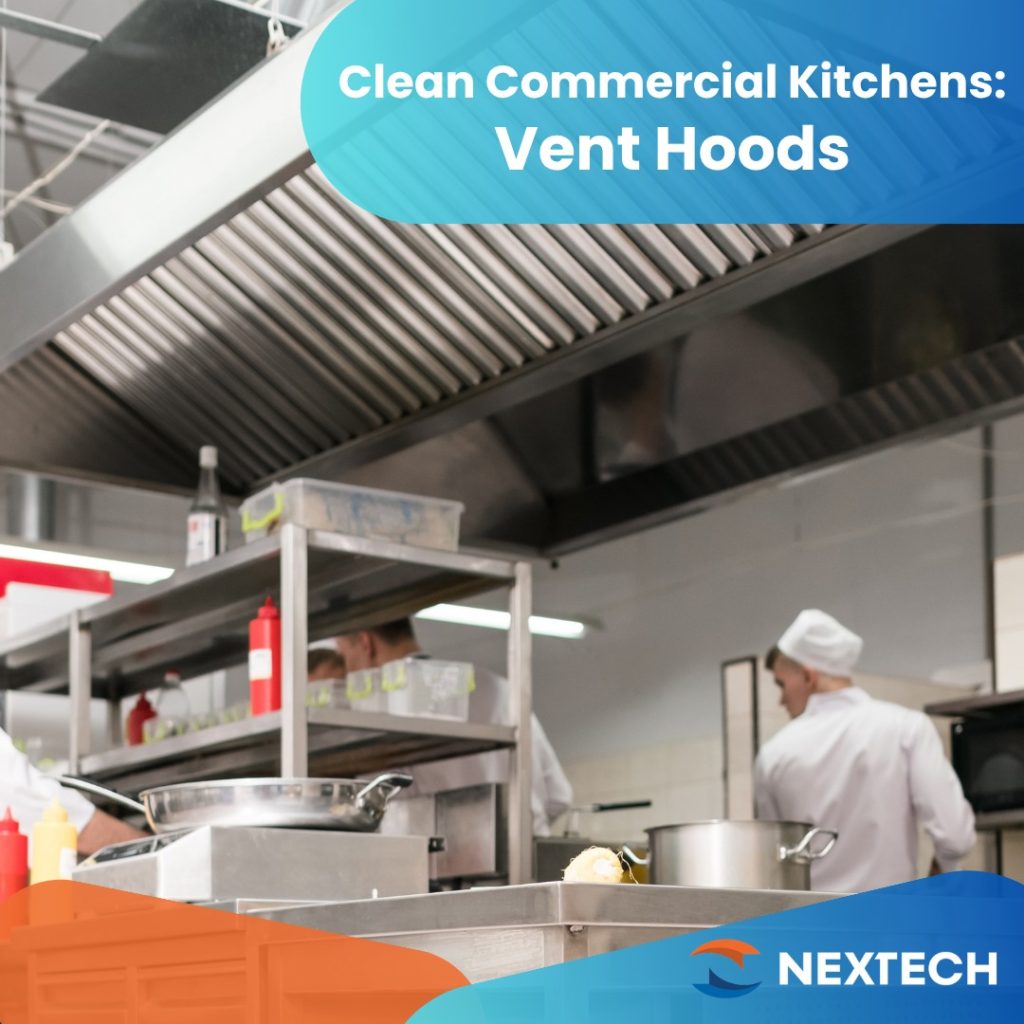
Kitchen hood performance becomes a front-of-house problem fast: lingering smoke, stubborn odors, uncomfortable dining areas, and a kitchen line that feels like a sauna. If you’re a restaurant owner, GM, facilities manager, or multi-site operator, you’re usually balancing guest experience, staff comfort, and operational uptime—all while trying to keep your ventilation system working the way it was designed to. During the summer months, ventilation issues can feel even more noticeable when heat loads climb in busy kitchens. This FAQ breaks down what “good performance” looks like, what typically causes issues, and how to approach fixes in a practical, commercial-focused way. For a broader foundation on how commercial systems are evaluated and tuned, see Understanding Commercial HVAC System Performance Metrics: Essential Insights for Facility Managers.
The Essentials: What Good Hood Performance Looks Like
- Capture and containment are the goal: smoke, heat, and grease-laden vapor should be pulled into the hood—not spilling into the kitchen or dining areas.
- Air balance matters: exhaust airflow and make-up air need to work together; too much of either can create comfort and door-pressure issues.
- Filters and airflow are linked: loaded or incorrect filters can reduce effective airflow and change how the hood “captures.”
- Controls can quietly cause problems: fan speeds, interlocks, and scheduling settings can drift from what the kitchen actually needs.
- Performance issues show up as symptoms: heat on the line, smoke haze, odor migration, greasy surfaces, or frequent complaints.
- Commercial support is often required: diagnosing airflow, controls, and rooftop equipment typically needs trained technicians and proper test instruments.
How Restaurant Ventilation Performance Actually Works
A commercial kitchen hood system is designed to capture cooking byproducts at the source and move them safely out of the building. The hood canopy, filters, exhaust fan, ductwork, and (often) a make-up air unit work as one system. When the system is operating correctly, the hood creates a stable “capture zone” where rising heat and smoke are contained and exhausted.
Problems usually happen when airflow is no longer aligned with the cooking load. That misalignment can come from dirty components, fan or belt issues, filter problems, control settings, or changes in the space (like a new appliance lineup, different cooking volume, or doors opening more often). Even small shifts in building pressure can change where air wants to travel—sometimes pulling dining-area odors into places you don’t want them.

The Real Operational Cost of Poor Hood Capture
When ventilation underperforms, the impact isn’t just comfort—it can affect throughput and consistency. A hotter line can slow cooks down, increase fatigue, and make it harder to maintain stable cooking conditions. Smoke or odor migration can also create guest complaints and distract staff during peak periods.
There are also maintenance implications. When grease and vapor aren’t captured effectively, you can see faster buildup on nearby surfaces and equipment. That can increase cleaning burden and contribute to premature wear on surrounding components. And if the system is out of balance, you may see knock-on effects like doors that are hard to open, drafts, or temperature complaints in adjacent spaces.
Common Missteps That Hurt Hood Results (Checklist)
- Using the wrong filter type or installing filters incorrectly: Fit, orientation, and filter style can change airflow and grease capture.
- Assuming “more exhaust” always fixes it: Over-exhausting can depressurize the building, pull in unconditioned air, and create new comfort problems.
- Ignoring make-up air issues: A weak or offline make-up air unit can make the hood struggle even if the exhaust fan is running.
- Letting controls drift: Fan speed settings, interlocks, and schedules can get changed over time and never reset to match operations.
- Skipping routine commercial cleaning and inspection cycles: Grease accumulation and restriction points can reduce effective airflow and stability.
- Changing the cooking line without re-evaluating ventilation: New equipment positions and higher-heat appliances can exceed the original design intent.
A Practical Action Plan for Better Kitchen Hood Performance (Checklist)
- Document the symptoms with specifics: Note times of day, menu items, stations affected, and whether issues reach the dining area.
- Confirm what’s running and when: Verify exhaust and make-up air operation during all cooking hours, including prep and cleanup.
- Check filter condition and fit: Ensure filters are seated correctly and changed/cleaned on an appropriate schedule for your volume.
- Review recent changes: Track any equipment additions, relocations, or process changes that increased heat/smoke output.
- Ask for an airflow and control review: A qualified commercial provider can evaluate fan operation, controls, and system balance.
- Align maintenance to reality: Build a planned maintenance routine that matches cooking volume, not just a calendar reminder.

From the Field: The Pattern Behind Most Hood Complaints
In practice, we often see ventilation complaints traced back to system “drift”—small changes over time (filters, belts, fan speed settings, make-up air performance, or a busier menu) that slowly push the hood out of its effective capture range. The hood didn’t suddenly become “bad”; the operating conditions changed, and the system wasn’t rechecked to match.
When It’s Time to Bring in Commercial Service
It’s smart to involve a qualified commercial kitchen ventilation or facilities service team when the issue is persistent, site-wide, or affecting operations. Consider professional support if you’re seeing:
- Smoke or heat consistently escaping the hood during normal cooking volume
- Odors migrating into dining rooms, lobbies, or adjacent tenant spaces
- Doors whistling, slamming, or hard-to-open conditions that suggest building pressure problems
- Make-up air unit not operating as expected (no airflow, poor temperature control, unusual noise)
- Repeated comfort complaints from line staff or managers during peak periods
- Recent equipment or menu changes that increased heat, smoke, or grease load
Your Questions, Answered: Restaurant Hood Systems
How do I know if my hood is actually “working”?
If smoke, heat, and cooking vapors are consistently captured without spilling into the room—and you’re not seeing persistent haze, strong odors, or excessive heat at the line—your system is generally doing its job. If complaints cluster around specific stations or peak periods, that’s a useful clue for troubleshooting.
Why does the kitchen feel hotter even when the exhaust fan is on?
Exhaust alone doesn’t guarantee comfort. If make-up air isn’t keeping up, the space can become negatively pressurized and pull in warmer air from elsewhere. Also, restricted airflow (filters, duct issues, fan performance) can reduce how much heat is actually being removed.
Can a make-up air issue cause smoke to spill from the hood?
Yes. If replacement air isn’t delivered correctly, airflow patterns around the hood can become unstable. That instability can reduce capture effectiveness, especially during high-heat cooking or when cross-drafts from doors and HVAC supply air disrupt the capture zone.
Do variable speed controls help, or do they make things worse?
They can help when set up and maintained correctly, because airflow can be matched to cooking demand. Problems tend to occur when settings are changed without confirming capture, or when schedules don’t align with actual kitchen operating hours.
What information should I gather before calling for service?
Have your equipment list (what’s under the hood), the times problems occur, any recent changes (new appliances, menu shifts, remodels), and whether the issue affects dining areas. If you have multiple locations, note whether the symptoms are site-specific or showing up across the portfolio.
Moving Forward
Strong hood operation is about consistent capture, balanced airflow, and controls that match how your kitchen actually runs. When issues show up, the fastest path to clarity is documenting symptoms and checking how exhaust and make-up air are performing together. If the problem is persistent, impacts staff comfort, or reaches guest areas, it’s usually time for a commercial evaluation. The goal isn’t just “more airflow”—it’s stable, predictable ventilation that supports service.
Get in Touch
Fill out our quick form and we’ll get back to you within 24 hours.