
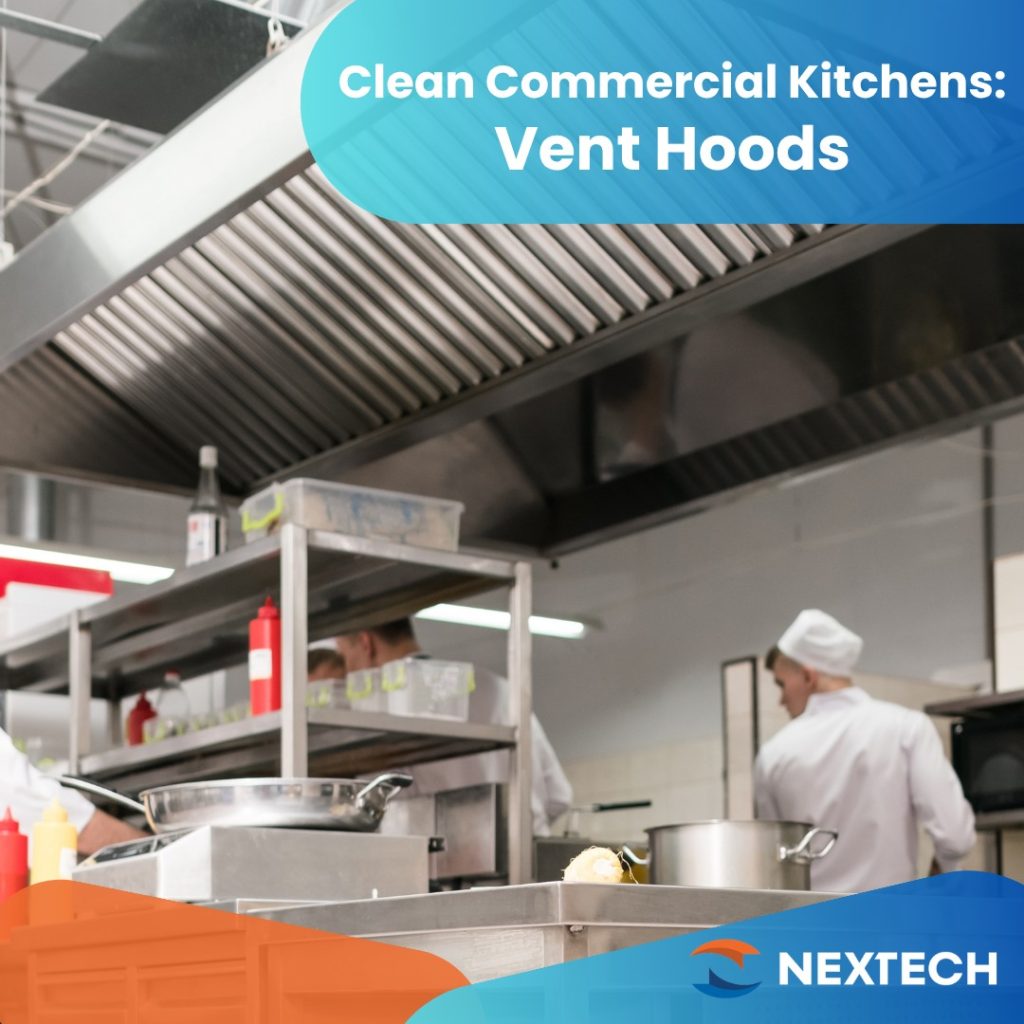
Running a commercial kitchen means your equipment isn’t just “appliances”—it’s production capacity. When an oven won’t hold temp, a walk-in starts drifting warm, or an ice machine turns into a science experiment, the real question becomes: what should you do next, and who should handle it? This FAQ is written for restaurant operators, facilities teams, and multi-site leaders who need reliable uptime, consistent food quality, and fewer operational surprises. As spring brings menu changes and higher traffic for many concepts, it’s a smart time to tighten up maintenance routines and service expectations before small issues become expensive downtime.
For a deeper foundation on how to evaluate vendors and set service expectations across critical systems, see Evaluating Commercial HVAC and Refrigeration Service Providers.
The Essentials for Commercial Kitchen Uptime
- Prioritize food-safety and temperature-control equipment first. Walk-ins, reach-ins, and ice machines typically create the biggest operational risk when performance slips.
- Document symptoms before you call. Error codes, time of failure, and what changed (new menu load, cleaning, power event) help speed diagnosis.
- Use planned maintenance to reduce repeat failures. A schedule for cleaning, inspection, and calibration often prevents “same problem, different week.”
- Confirm parts strategy and response expectations. Ask how common parts are sourced and how follow-up visits are handled if parts are needed.
- Standardize across locations. Consistent equipment lists, service history, and site contacts reduce downtime in multi-unit operations.
How Commercial Kitchen Equipment Service Typically Works
Commercial kitchen equipment service generally follows a predictable flow: intake, triage, diagnosis, repair plan, and verification. The goal is to restore safe, consistent operation—not just to “get it running.” In most facilities, that means confirming temperatures, recovery times, controls, and any safety interlocks before the job is considered complete.
Service quality often comes down to two things: (1) how well the issue is described and documented at the start, and (2) whether the provider has a repeatable process for troubleshooting and follow-through. For multi-site operators, centralized dispatch and consistent documentation can be just as important as the wrench-turning.

The Real Cost of Waiting on a Kitchen Repair
Delaying service can create compounding problems. A refrigeration unit that runs “a little warm” may force product loss, shorten compressor life, or create compliance concerns. Cooking equipment that can’t hold consistent temperature can slow ticket times, impact quality, and increase waste through re-fires.
There’s also the hidden labor cost: staff troubleshooting around a failing unit, shifting prep plans, and managing partial outages. Even when you avoid a full shutdown, the operational drag adds up—especially if the same issue repeats because the root cause wasn’t addressed.
Common Missteps That Make Service Calls Harder (Checklist)
- Waiting until the unit is completely down. Early symptoms (odd noises, longer recovery, inconsistent temps) are often easier to diagnose and less disruptive to fix.
- Not providing model/serial information. Without it, parts identification and troubleshooting steps can slow down.
- Skipping basic site details. Access instructions, hours, and who can approve work affect how quickly a technician can start and finish.
- Assuming “cleaned” means “maintained.” Cleaning helps, but inspections, calibration checks, and performance verification are different steps.
- Letting service history live in someone’s inbox. If past repairs aren’t visible, repeat issues can look like “new” problems every time.
- Changing settings without documenting it. Untracked setpoint changes can mask the real issue and complicate troubleshooting.
A Smart Prep List Before You Schedule Service (Checklist)
- Capture the symptoms clearly. Note temperatures, error codes, when it started, and whether the issue is constant or intermittent.
- Gather equipment details. Model/serial, asset tag, and any recent work performed.
- Identify business impact. What menu items are affected, what backup capacity exists, and what time windows are least disruptive.
- Confirm access and approvals. Who opens the site, who authorizes work, and where the equipment is located.
- Ask for documentation. Request a clear summary of findings, work performed, and recommendations for preventing recurrence.
- Consider a planned maintenance cadence. Align PM frequency with usage intensity and criticality (especially refrigeration and ice).
Professional Insight: What Most Teams Miss
In practice, we often see “mystery failures” turn out to be repeatable patterns—like inconsistent cleaning routines, blocked airflow, or small control issues that only show up during peak production. The fastest path to stability is usually tighter documentation (what happened, when, and under what load) paired with a maintenance plan that matches how hard the kitchen runs.
Signs It’s Time to Bring in a Commercial Service Provider
If you’re seeing any of the following, it’s typically time to involve a qualified commercial provider rather than trying to work around the issue:
- Temperature deviation in refrigeration. Product zones drifting out of spec, long pull-down times, or frequent cycling.
- Repeated resets or error codes. Controls that need constant attention usually indicate an underlying fault.
- Electrical symptoms. Tripped breakers, burning smells, or intermittent power to equipment.
- Performance inconsistency. Ovens, fryers, or steam equipment that can’t maintain stable output during rush periods.
- Water leaks or drainage issues. Especially around ice machines, dish areas, and refrigeration condensate systems.
- Multi-site repeat problems. The same failure mode across locations suggests a process, setup, or maintenance gap.
Your Questions, Answered About Kitchen Equipment Care
What equipment is usually considered “commercial kitchen equipment” for service purposes?
It commonly includes refrigeration (walk-ins, reach-ins, prep tables), ice machines, cooking equipment (ovens, ranges), and other back-of-house systems that directly support food production and safe holding.
How can we reduce repeat breakdowns without overcomplicating maintenance?
Start with a simple routine: consistent cleaning, basic visual checks, and a documented schedule for inspections and performance verification on your most critical units (especially refrigeration and ice). Keep service notes centralized so recurring issues are easy to spot.
What information should we have ready when we place a service request?
Have model/serial (or asset tag), a short symptom description, any error codes, when the issue started, site access details, and who can approve work. If it’s refrigeration, include current product or box temperature readings if available.
How do service agreements help multi-location restaurant or retail operations?
They can standardize response expectations, documentation, and maintenance cadence across sites. That consistency helps reduce downtime caused by inconsistent processes, unclear approvals, or incomplete equipment histories.
What’s a reasonable way to measure whether our service program is improving?
Look for fewer repeat calls on the same assets, clearer documentation per visit, and more predictable maintenance scheduling. Over time, you should also see fewer operational workarounds and less disruption during peak periods.
Moving Forward
Reliable kitchen operations depend on consistent temperatures, predictable cooking performance, and a service process that doesn’t leave your team guessing. When you document symptoms, standardize site details, and prioritize planned maintenance for critical assets, you reduce downtime and avoid repeat failures. If you’re evaluating your current approach or trying to bring consistency across multiple locations, a structured service plan can make day-to-day operations noticeably smoother.
Still have questions?
If you’re sorting through recurring equipment issues, unclear service documentation, or multi-site coordination challenges, it helps to talk through your situation with a commercial-focused team.
Get in Touch
Fill out our quick form and we’ll get back to you within 24 hours.