
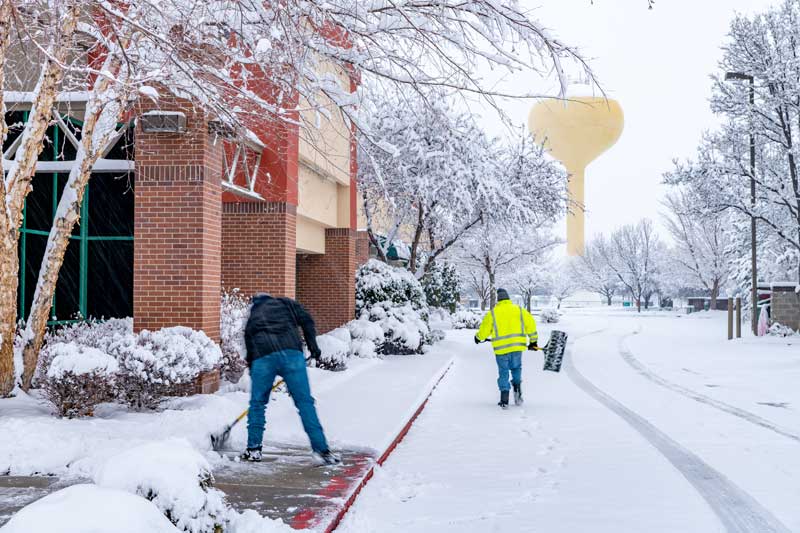
Winter in Idaho Falls can place significant demands on commercial buildings. Freezing temperatures, snow, ice, and changing weather conditions can challenge heating systems, ventilation equipment, electrical components, and building infrastructure. For local businesses, preparing before winter arrives is an important part of protecting employees, customers, equipment, and daily operations.
A commercial HVAC and refrigeration company for Idaho Falls businesses can help them prepare for these seasonal demands by inspecting heating systems, identifying potential problems, improving efficiency, and making sure critical equipment is ready for colder conditions. Winter preparation is not simply about turning the heat on when temperatures drop, it is about making sure the entire system is prepared to operate reliably when the building needs it most.
Prepare Heating Systems Before Cold Weather Arrives
One of the most important parts of winter preparation is having commercial heating equipment inspected before it is needed continuously. Furnaces, rooftop units, heat pumps, boilers, and other heating systems can experience wear and tear throughout the year.
A professional technician can inspect the system for potential problems, check important components, and identify issues that could cause a breakdown during the winter. Addressing problems early is generally easier than waiting until the heating system fails during a freezing morning.
For businesses, proactive heating maintenance can also help provide more consistent indoor temperatures. This is especially important for facilities where employees and customers spend several hours each day.
Reduce the Risk of Winter Heating Emergencies
Heating failures are particularly inconvenient during cold Idaho Falls weather. If a commercial heating system stops working, indoor temperatures can fall quickly, potentially affecting employees, customers, inventory, and sensitive equipment.
Emergency HVAC service can help businesses respond when unexpected breakdowns occur, but preventive maintenance is an important first line of defense. Technicians can look for signs of component failure and other concerns before they develop into a major emergency.
Having a commercial HVAC company already familiar with the building can also make it easier to respond quickly when an unexpected problem occurs.
Address Airflow and Ventilation Issues
Heating equipment can only perform effectively when air can circulate properly throughout a building. Blocked vents, dirty filters, damaged ductwork, or other airflow problems can make it difficult to maintain comfortable temperatures.
Poor airflow may also cause heating equipment to work harder than necessary. During winter, when systems may operate for extended periods, these inefficiencies can become particularly noticeable.
A commercial HVAC technician can evaluate airflow and ventilation and determine whether maintenance or repairs are needed. Replacing filters, addressing ductwork problems, and correcting airflow restrictions can all contribute to more effective heating performance.
Prepare Rooftop HVAC Equipment
Many commercial buildings rely on rooftop HVAC units. These systems are exposed to the elements throughout the year, making seasonal inspections especially important.
Before winter, technicians can examine rooftop equipment for signs of wear, damage, or other issues that could interfere with operation. Components that have been exposed to moisture, wind, snow, and temperature fluctuations may require additional attention.
Keeping rooftop equipment properly maintained can help businesses avoid preventable heating problems once winter weather arrives.
Consider Snow and Ice Around HVAC Equipment
Snow and ice can create additional challenges for commercial HVAC systems. Accumulation around equipment, vents, drains, or other components can potentially interfere with normal operation.
Businesses should also be aware of snow and ice that may fall from roofs or collect around rooftop equipment. Proper site and equipment inspections can help identify conditions that need to be addressed before heavy winter weather occurs.
A commercial HVAC professional can help evaluate equipment and identify maintenance concerns that could become more significant during periods of heavy snow or freezing temperatures.
Understand Snow-Load Concerns
Winter preparation also involves considering the effects of snow accumulation on commercial buildings. Snow can add significant weight to a roof, particularly when multiple storms occur without enough time for accumulated snow to melt or be removed.
While structural snow-load evaluation and snow removal may fall outside the scope of an HVAC contractor, HVAC professionals can help identify concerns involving rooftop mechanical equipment, ventilation components, drains, and other systems located on or near the roof.
Businesses should coordinate with appropriate building, roofing, and structural professionals when there are concerns about the structural capacity of a roof or significant snow accumulation. HVAC service is one important part of a broader winter preparedness plan.
Protect Refrigeration Systems During Winter
It may seem counterintuitive to think about refrigeration when preparing for winter, but restaurants, grocery stores, convenience stores, food-service businesses, and other commercial facilities still depend on refrigeration year-round.
Walk-in coolers, freezers, prep refrigerators, beverage coolers, and other refrigeration equipment need to maintain consistent temperatures regardless of outdoor conditions.
Extreme outdoor temperatures can affect refrigeration systems in different ways depending on equipment design and installation. Seasonal maintenance can help identify issues involving compressors, fans, controls, refrigerant systems, electrical components, and other critical parts.
Reliable refrigeration is particularly important for businesses storing perishable food or temperature-sensitive products.
Improve Energy Efficiency
Winter can result in higher energy consumption as commercial buildings work harder to maintain comfortable indoor temperatures. HVAC maintenance can help businesses identify opportunities to improve efficiency.
A system that is dirty, poorly maintained, or experiencing mechanical problems may have to operate longer to achieve the desired temperature. This can increase energy use and place additional strain on equipment.
Routine maintenance can help keep HVAC systems operating as efficiently as possible. Businesses may also benefit from evaluating thermostats, controls, insulation, and other factors that influence heating performance.
Protect Employees and Customers
Maintaining comfortable indoor temperatures is about more than convenience. Businesses have a responsibility to provide a reasonably safe and comfortable environment for employees, customers, tenants, and visitors.
Cold indoor temperatures can make working conditions uncomfortable and may create additional concerns in certain commercial environments. Maintaining dependable heating helps businesses continue normal operations even when temperatures outside drop significantly.
For healthcare facilities, restaurants, retail stores, offices, and other businesses, reliable HVAC service can be an important part of maintaining a functional environment throughout the winter.
Create a Seasonal Maintenance Plan
The best winter preparation starts before the first major snowstorm or deep freeze. Businesses can work with a commercial HVAC and refrigeration company to establish a seasonal maintenance plan based on the building’s equipment and operational requirements.
This may include heating system inspections, filter replacement, airflow evaluation, rooftop equipment checks, refrigeration maintenance, thermostat inspections, and other recommended services.
A proactive approach gives businesses an opportunity to address problems while there is still time to schedule repairs rather than waiting until a system fails during severe weather.
Be Prepared for Idaho Falls Winter Demands
Idaho Falls businesses face a variety of winter challenges, from freezing temperatures and heavy snow to increased heating demands and potential stress on rooftop equipment. Preparing commercial HVAC and refrigeration systems before winter can help businesses reduce unexpected breakdowns, maintain comfortable indoor conditions, protect critical equipment, and support more efficient operation. While HVAC professionals can address heating, ventilation, and refrigeration concerns, businesses should also coordinate with qualified roofing and structural professionals regarding significant snow accumulation and building snow-load concerns.
Nextech provides commercial HVAC and refrigeration services to help Idaho Falls businesses prepare their equipment for demanding winter conditions. By scheduling professional maintenance and addressing potential problems before severe weather arrives, businesses can enter the winter season better prepared for the heating and operational demands ahead. Contact us before the winter season!