
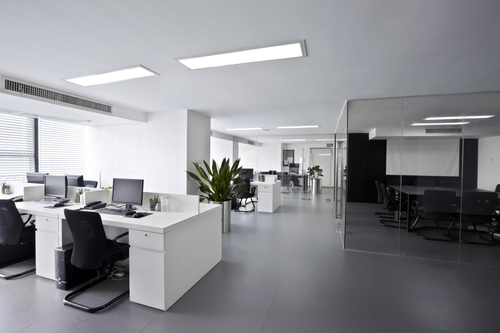
The United States Environmental Protection Agency recently released an Office Occupant Guide to Indoor Air Quality. Check out a portion of the release, below.
This guide is intended to help people who work in office buildings learn about the factors that contribute to indoor air quality and comfort problems and the roles of building managers and occupants in maintaining a good indoor environment. Because good indoor air quality depends on the actions of everyone in the building, a partnership between building management and occupants is the best way to maintain a healthy and productive work space.
What You Can Do to Improve the Indoor Air in Your Office:
- Do not block air vents or grilles.
- Comply with the office and building smoking policy.
- Water and maintain office plants properly.
- Dispose of garbage promptly and properly.
- Store food properly.
- Avoid bringing products into the building that could release harmful or bothersome odors or contaminants.
- Notify your building or facility manager immediately if you suspect an indoor air quality problem.
This article originally posted on EPA.gov.
Understanding Indoor Air Quality
Indoor air quality (IAQ) is a crucial aspect of workplace health that can significantly influence employee productivity, comfort, and overall well-being. Common indoor air pollutants include volatile organic compounds (VOCs), mold, allergens, and particulate matter, which can originate from various sources such as office equipment, cleaning supplies, and building materials. It’s essential for both employees and management to recognize these pollutants and their potential impacts on health. By fostering a culture of awareness and proactive measures, organizations can create a safer and more pleasant work environment.
Role of Building Management
Building managers play a vital role in ensuring optimal indoor air quality. This includes regular maintenance of HVAC systems, which should be inspected and cleaned to prevent the accumulation of dust and mold. Additionally, managers should implement routine air quality assessments and provide workers with transparent information about air quality levels. Engaging with employees through surveys or feedback sessions can also help identify areas for improvement. By prioritizing IAQ, building managers not only enhance employee satisfaction but also reduce absenteeism and healthcare costs.
Best Practices for Office Occupants
As office occupants, individuals can take several proactive steps to improve their immediate air quality. Utilizing air-purifying plants, such as spider plants or peace lilies, can help absorb toxins and enhance oxygen levels. Furthermore, maintaining a clutter-free workspace not only improves organization but also allows for better air circulation. Periodically airing out the office by opening windows, when possible, can help refresh the air and reduce indoor pollutants. By adopting these practices, occupants contribute significantly to a healthier indoor environment.