
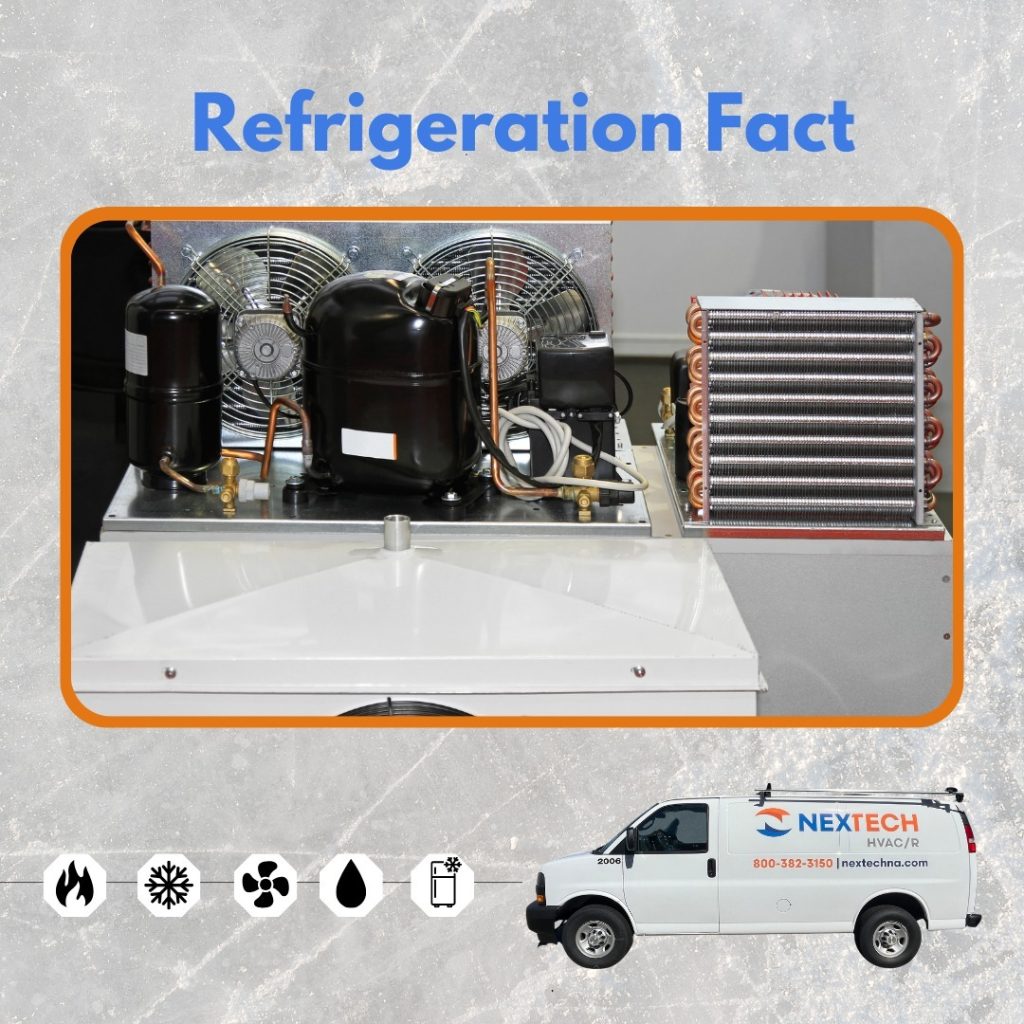
Equipment problems rarely start with a dramatic breakdown—they usually show up as small, easy-to-ignore changes in temperature, noise, cycling, or ice buildup. If you manage a restaurant, grocery, convenience store, pharmacy, or any facility that relies on cold storage, those early signals matter because they can affect product quality, food safety processes, customer experience, and operating costs. This guide is for operators and facility teams who want to catch issues early and respond the right way—without guesswork or risky shortcuts.
As spring transitions into warmer days, many systems run longer and reveal weaknesses that stayed hidden during milder conditions. If you want a deeper baseline on how commercial HVAC equipment is typically maintained and evaluated in facilities, review Commercial HVAC and Refrigeration Preventative Maintenance: Best Practices before you build your next service plan.
For businesses that need commercial refrigeration service in Hammond, LA, the most valuable move is knowing which warning signs justify a fast, professional response—before a cooler goes out during peak hours.
The Essentials: Warning Signs to Act On
- Temperature drift (even if it “comes back” later) can signal airflow, charge, or control issues that tend to worsen under load.
- Ice buildup or sweating often points to defrost, door sealing, or drainage problems that can lead to bigger failures.
- Short-cycling or constant running typically means the system is struggling to maintain setpoint—wasting energy and stressing components.
- Unusual noises or vibration can indicate fan, motor, mounting, or compressor concerns that can escalate quickly.
- Water on the floor is a slip risk and a clue that drains, pans, or defrost controls need attention.
- Repeated “resetting” to keep it going is a red flag that the underlying fault is still present and may be getting worse.
How Small Refrigeration Issues Turn Into Big Outages
Most cold-storage equipment depends on a balance of heat removal, airflow, and controls. When any part of that chain is compromised—like restricted airflow, a failing fan motor, a dirty coil, a defrost problem, or a control sensor drifting out of calibration—the box may still cool, but it does so inconsistently. That inconsistency is what creates the “warning sign” pattern: temperatures swing, frost forms where it shouldn’t, run times change, and components start to work harder than designed.
In many facilities, the challenge isn’t noticing a problem—it’s deciding whether it’s “serious enough” to call. A practical rule: if the symptom affects temperature stability, creates water/ice where it doesn’t belong, or changes the way the system runs (noise, cycling, run time), it’s worth treating as actionable.

The Real Operational Risk of Ignoring Early Symptoms
Delaying a response can raise your total cost in a few ways:
- Product risk: Temperature inconsistency can shorten shelf life or trigger internal disposal policies.
- Energy waste: Longer run times, icing, and poor heat transfer typically increase electrical use.
- Downtime pressure: A small part failure can cascade into a larger repair window if it damages other components.
- Operational disruption: Staff time gets pulled from customers and production to manage product moves, temporary storage, or manual checks.
- Safety exposure: Leaks and wet floors create slip hazards, and icing can create pinch points around doors and hinges.
Common Missteps That Make Refrigeration Problems Worse (Checklist)
- Ignoring “it’s only happening sometimes” complaints: Intermittent issues are often early-stage failures that become consistent later.
- Overloading shelves and blocking airflow: Packing product tight to vents can cause warm zones and extended run times.
- Leaving door issues unaddressed: Torn gaskets, misaligned doors, and bad closers invite moisture, frost, and temperature swings.
- Turning setpoints down to “power through”: Lowering setpoints can increase icing and strain without fixing the root cause.
- Resetting alarms repeatedly without documenting: Without notes on timing and conditions, troubleshooting becomes slower and more disruptive.
- Delaying coil and drain attention: Poor heat transfer and drainage problems often show up as higher energy use and water on the floor.
A Smart Response Plan When You Spot a Red Flag (Checklist)
- Confirm the symptom with objective checks: Compare the controller reading to a calibrated thermometer and note the variance.
- Document conditions: Record time, ambient conditions, door activity, product load changes, and any alarms displayed.
- Protect inventory: Follow your internal policy for moving temperature-sensitive product if stability is questionable.
- Reduce preventable load: Minimize door-open time, keep airflow paths clear, and avoid adding warm product until resolved.
- Escalate with specifics: Provide service teams with temperatures, alarm codes, run-time behavior, and photos of icing or leaks.
- Schedule follow-through: After the immediate fix, plan a check to confirm stable operation under normal load.
From the Field: The Pattern Behind Repeat Callbacks
In practice, we often see repeat issues when a visible symptom (like ice on the coil or water at the base) gets addressed, but the underlying cause—door sealing, airflow restriction, drainage, or control/defrost timing—doesn’t get fully corrected. When the root cause is identified early, the fix is usually more straightforward and less disruptive to the operation.
Clear Signals It’s Time to Call in a Professional
Seek professional support when you notice any of the following:
- Temperature cannot hold steady or product zones vary significantly within the same box.
- Ice buildup returns quickly after removal or appears alongside reduced airflow.
- Electrical smells, tripped breakers, or control faults occur—especially if the issue repeats.
- Compressor or fan noises change (grinding, rattling, loud buzzing) or vibration increases.
- Water leaks persist or create slip hazards around walk-ins, cases, or prep areas.
- Any refrigerant-related concern is suspected (performance drop paired with abnormal run behavior). Refrigerant handling requires qualified technicians and proper procedures.
Frequently Asked Questions
What’s the first sign a walk-in cooler is heading toward failure?
Often it’s temperature inconsistency—setpoint looks fine sometimes, but product areas feel warmer, run times change, or alarms appear intermittently. Those early patterns usually justify a check before the unit can’t recover.
Is frost on the evaporator coil always a problem?
Some frost can occur, but heavy or uneven ice buildup that restricts airflow is a warning sign. It can be tied to defrost performance, door sealing, drainage, or airflow issues and should be evaluated.
Why does my unit run constantly even when the box seems cold?
Constant operation can indicate the system is struggling with heat transfer or load—common contributors include restricted coils, airflow problems, control/sensor issues, or door leakage. A qualified assessment can pinpoint the cause.
What information should we have ready before scheduling service?
Provide recent temperature readings, alarm codes, when the symptom started, whether it’s intermittent or constant, and any operational changes (product load, door traffic, cleaning activities). Photos of icing or leaks can also help.
How can we reduce disruption while waiting for a technician?
Follow your internal food safety and product-handling procedures, limit door openings, keep vents clear, and avoid adding warm product. If temperatures are unstable, prioritize inventory protection and escalation.
Taking Action Before a Breakdown
Early warning signs are your opportunity to protect inventory, reduce disruption, and avoid the domino effect of component strain. Focus on symptoms that impact temperature stability, create icing or water, or change run behavior. Document what you see so troubleshooting is faster and more precise. And if the issue repeats—or affects safety or product handling—bring in qualified commercial support rather than trying to “ride it out.”
Ready to Get Started?
Our team is here to help. Give us a call to discuss your needs.