
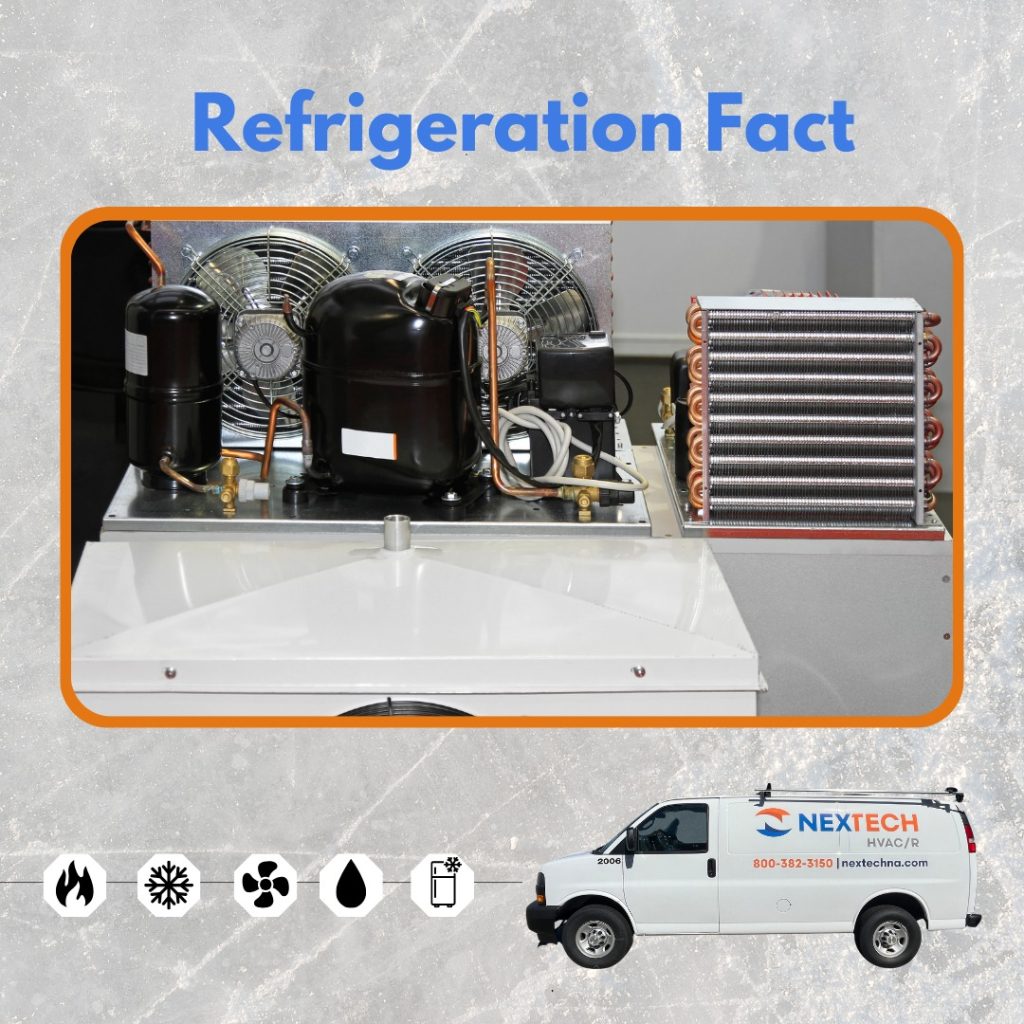
Commercial refrigeration problems have a way of showing up at the worst possible time: during a rush, ahead of an inspection, or right when inventory is fully stocked. If you manage a restaurant, grocery store, convenience store, pharmacy, or other temperature-sensitive operation, you need a clear baseline for what “service” actually includes and how to respond when performance starts slipping.
For beginners, the goal isn’t to become a technician—it’s to know the common failure patterns, the information a provider will ask for, and the decisions that protect product quality and uptime. As spring brings warmer conditions, it’s also a practical time to double-check that cooling equipment is operating within your normal range before peak demand hits.
If you want a broader foundation on how commercial HVAC systems are maintained in facilities, start with Understanding Commercial HVAC Maintenance: Essential Practices for Facilities and then apply the same “planned, documented, repeatable” mindset to your cold-side equipment.
For local support options, you can also review commercial refrigeration service in Smyrna, TN to understand the types of commercial systems typically covered and what information helps speed up dispatch and diagnosis.
What You Need to Know First
- Service is more than a repair: it typically includes evaluation, diagnosis, corrective work, and documentation you can use for maintenance planning.
- Small symptoms matter: longer run times, temperature swings, ice buildup, or unusual noise can signal issues that become expensive if ignored.
- Performance depends on airflow and heat rejection: many problems trace back to restricted airflow, dirty heat-transfer surfaces, or control/sensor issues.
- Good records speed up fixes: model/serial numbers, recent temperature logs, and a clear problem timeline reduce back-and-forth.
- Planned maintenance reduces disruption: routine checks help catch wear and drift before you lose product or face downtime.
How Commercial Refrigeration Service Actually Works
In simple terms, commercial cooling equipment removes heat from inside a refrigerated space and releases that heat elsewhere. When any part of that heat-moving process is restricted, the system can struggle to hold temperature, run longer than normal, or shut down on a safety limit.
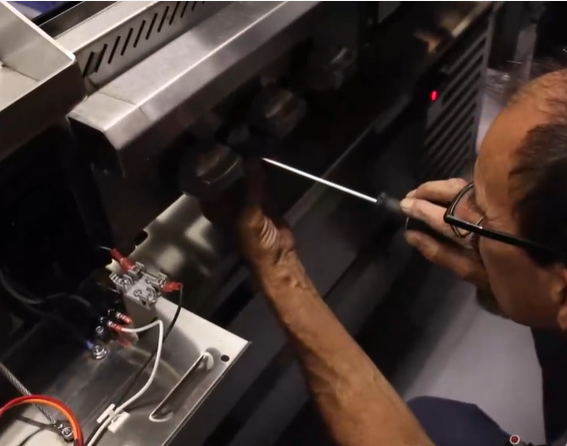
A typical service visit starts with information gathering (what equipment, what symptoms, when it started, and what changed). Then the technician verifies operating conditions—often by checking temperatures at key points, confirming the unit cycles correctly, and inspecting components that commonly cause performance loss.
From there, service usually falls into one (or more) categories:
- Corrective repair: addressing a failed component, wiring issue, control problem, or mechanical wear.
- Performance restoration: resolving conditions that reduce capacity, such as restricted airflow or heat-transfer issues.
- Controls and calibration checks: verifying sensors, setpoints, and defrost timing so the unit runs as intended.
- Operational recommendations: identifying usage patterns that may be stressing equipment (for example, door management or loading practices) without turning into DIY instructions.

The Real Cost of Waiting on Cooling Issues
When refrigeration performance is “kind of working,” it’s tempting to wait. The problem is that borderline operation often means the system is running harder and longer to keep up. That can accelerate wear and turn a manageable fix into a larger disruption.
Practical impacts to consider:
- Product risk: temperature drift can threaten quality and increase the chance of spoilage or disposal.
- Downtime and labor: moving product, consolidating storage, and managing temporary solutions pulls staff away from customers.
- Energy waste: inefficient operation can increase run time and operating cost, even if you don’t notice it immediately.
- Repeat calls: if the underlying cause isn’t identified, you may see recurring symptoms that create “service fatigue” for your team.
Common Missteps That Create Repeat Breakdowns (Checklist)
- Waiting until temperatures are out of range: early warning signs are easier to diagnose than a full failure.
- Reporting symptoms without context: “It’s not cold” is less helpful than noting when it happens, how long it’s been occurring, and whether it’s intermittent.
- Not documenting recent changes: schedule changes, cleaning routines, loading patterns, or remodel work can affect performance.
- Skipping routine verification: without basic operational checks (like reviewing your own logs), issues can go unnoticed until product is at risk.
- Assuming one fix solves every recurrence: similar symptoms can come from different causes; repeated callbacks often need deeper root-cause review.
- Overlooking related systems: electrical and controls problems can mimic mechanical failures and require a broader look.
A Smart Prep List Before You Schedule Service (Checklist)
- Identify the asset: record equipment type (walk-in cooler/freezer, reach-in, prep table, ice machine, etc.) plus model/serial if available.
- Capture the symptom clearly: note temperature behavior, alarms, icing, unusual noise, or cycling patterns.
- Build a quick timeline: when it started, whether it’s constant or intermittent, and anything that changed recently.
- Protect product proactively: follow your internal food safety and inventory procedures while you wait for service.
- Confirm access: ensure the provider can reach the equipment and any relevant panels/areas during the visit.
- Ask for documentation: request a clear summary of findings, actions taken, and recommended follow-ups for your maintenance file.
From the Field: What Most Teams Miss Early On
In practice, we often see that the fastest resolutions happen when the site can describe the pattern of the problem—what time of day it shows up, whether it follows heavy door traffic, or whether it started after a cleaning or layout change. That context helps narrow the cause quickly and reduces the odds of “fixing the symptom” without addressing what triggered it.
Signs It’s Time to Call a Professional
If you’re new to managing cold-side equipment, use these thresholds to decide when to get help:
- Temperatures aren’t stable: noticeable swings, trending warmer, or failing to recover after normal use.
- Unusual sounds or frequent cycling: new noises, short cycling, or running continuously longer than your normal baseline.
- Ice or frost patterns: recurring buildup that affects doors, airflow, or storage space.
- Leaks, odors, or electrical concerns: any sign of fluid where it shouldn’t be, burning smells, tripped breakers, or control issues.
- Repeat issues after prior service: the same symptom returning is a cue to request deeper root-cause evaluation and documentation.
Common Questions Answered
What types of businesses typically need cold-side equipment service?
Any commercial facility that stores or prepares temperature-sensitive products may need it—such as restaurants, grocery and convenience stores, pharmacies, healthcare clinics with specialty storage, and entertainment venues with food service.
What information should I have ready before I call?
Have the equipment type, asset location in the building, model/serial if available, a description of the symptom, and a simple timeline of when it started and whether it’s intermittent.
How is planned maintenance different from a repair visit?
A repair visit focuses on restoring operation when something isn’t working correctly. Planned maintenance is scheduled, repeatable service intended to reduce failures by checking condition, cleaning/adjusting where appropriate, and documenting findings.
Can temperature logs really help?
Yes. Even basic logs can show whether the issue is gradual, sudden, or tied to certain operating conditions—information that can speed up diagnosis and help prioritize next steps.
Do service providers also handle electrical or lighting issues in commercial spaces?
Some commercial facility service companies do, but capabilities vary. If you manage multiple building systems, ask whether the provider supports related trades so you can coordinate work and documentation more easily.
Where to Go from Here
If you’re responsible for temperature-sensitive storage, the most helpful next step is to treat service like a process: document symptoms early, keep basic equipment records, and plan maintenance before issues become disruptive. That approach supports uptime, helps protect inventory, and makes vendor conversations faster and clearer. When you’re ready, align your team on what to track and what thresholds trigger a service call.
Learn More About Our Services
Discover how we can help you achieve your goals.