
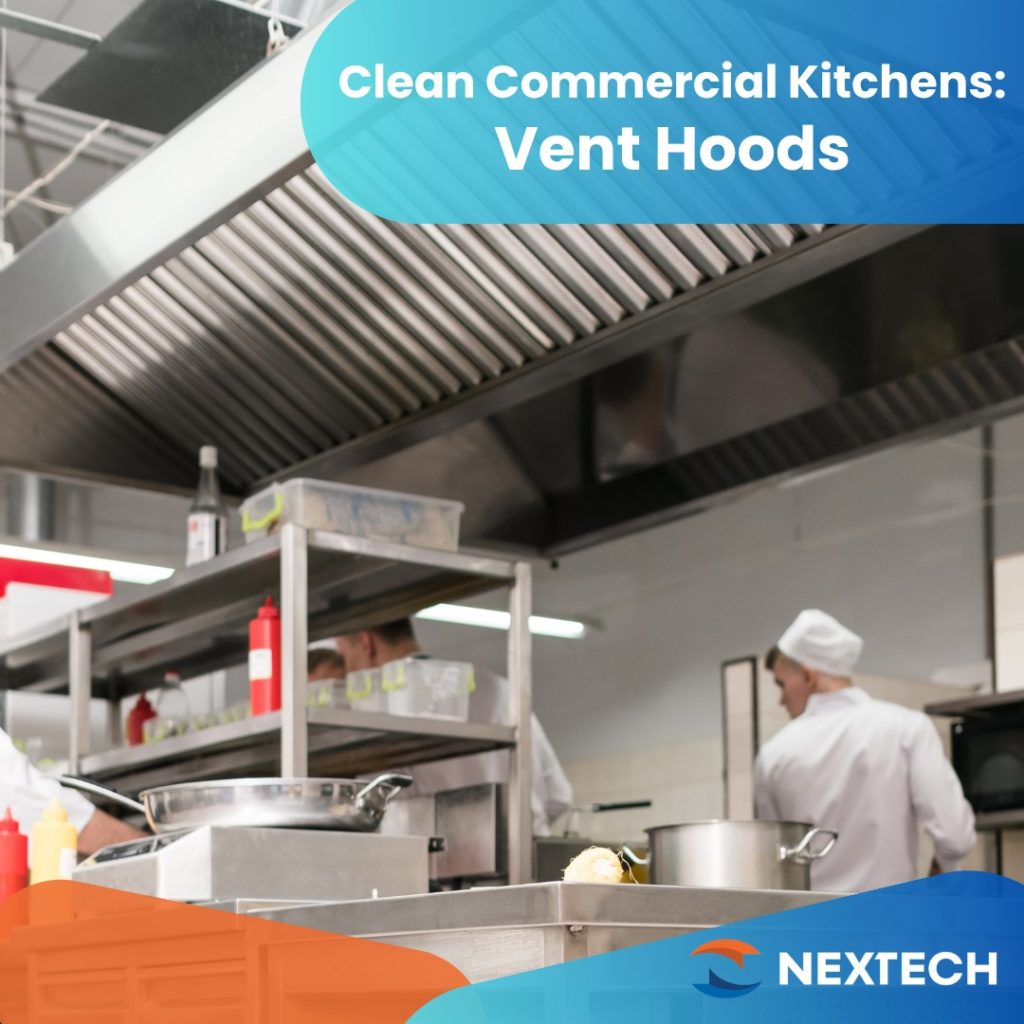
Running a commercial kitchen means your equipment isn’t just “appliances”—it’s production capacity, food quality, and operational predictability. If you’re responsible for uptime (owner, GM, facilities, or multi-site ops), the challenge is usually the same: keep critical assets reliable without over-maintaining, over-spending, or risking avoidable downtime. This guide breaks down how to think about commercial kitchen equipment in a practical, facility-friendly way—what matters most, what commonly fails, and how to build a service approach that supports daily volume.
As spring ramps up and schedules get busier, many teams use the season to reset maintenance routines and review what’s been slipping through the cracks.
For broader context on how HVAC systems interact with comfort, ventilation, and overall facility performance, see Understanding Commercial HVAC Systems: Key Considerations for Facilities.
If you’re coordinating service coverage locally, this overview of commercial kitchen equipment service in Tulsa, OK can help you understand how commercial providers typically structure support for restaurants and multi-site operators.
The Essentials for Reliable Kitchen Operations
- Start with “critical path” assets: Identify the equipment that stops service first (often refrigeration, ice, cooking line, and warewashing) and prioritize those for tighter maintenance intervals.
- Track symptoms, not just breakdowns: Temperature drift, longer heat-up times, unusual noise, and repeat resets often signal issues before failure.
- Standardize across locations: Consistent make/models, parts strategy, and service procedures typically reduce downtime for multi-site businesses.
- Protect refrigeration performance: Airflow, door seals, and cleanliness around intake/exhaust areas are common drivers of reliability and efficiency.
- Document every service event: Clear logs help spot repeat-failure patterns and support better repair-vs-replace decisions.
- Use a planned approach: A maintenance plan tied to operating hours and environment usually beats reactive repairs for cost control.
How Commercial Kitchen Equipment Support Typically Works
Most commercial kitchens rely on a mix of hot-side, cold-side, and support equipment. Each category fails differently, and each has different operational consequences. A practical support model usually includes three layers: (1) daily/weekly operator checks, (2) scheduled preventative maintenance, and (3) responsive repair when performance drops or a unit fails.
Cold-side equipment (refrigeration and ice)
Walk-in coolers/freezers, reach-ins, prep tables, and ice machines are often “always-on” loads. Common operational problems include inconsistent temperatures, frost buildup, water leaks, and ice quality issues. Because these assets directly affect product integrity, many operators treat them as top-tier critical equipment.
Hot-side equipment (cooking and holding)
Ovens, ranges, fryers, griddles, and warmers affect throughput and ticket times. Performance issues often show up as uneven cooking, slow recovery, ignition problems, or repeated shutdowns. The key operational question is usually: “Is the unit still meeting production demand consistently?”
Warewashing and sanitation support
Dish machines, booster heaters, and related components influence sanitation workflow. When these systems struggle, kitchens may experience bottlenecks, inconsistent results, or repeat cycles—problems that can cascade into labor and service delays.
How service teams reduce repeat failures
In commercial settings, the most valuable service outcomes are often: restoring performance, addressing root causes (not just symptoms), and documenting what changed so the next service call is faster and more predictable.

The Operational Cost of Ignoring Early Warning Signs
Kitchen equipment problems rarely stay contained. A small issue—like a door gasket not sealing or a unit running longer than normal—can increase runtime, stress components, and lead to a failure at the worst possible time (rush, delivery day, or inspection week).
- Downtime and lost throughput: When a key unit is offline, menus shrink, ticket times grow, and labor gets redirected to workarounds.
- Product risk: Temperature instability can force product pulls, re-prep, or accelerated spoilage decisions.
- Higher repair complexity: Waiting can turn a “small fix” into a multi-part repair if secondary components are stressed.
- Energy and comfort impact: Inefficient refrigeration and heat-rejection issues can raise heat load in back-of-house areas and strain facility systems.
- Multi-site inconsistency: If each location handles issues differently, leadership loses predictability in cost and performance.
Common Missteps That Shorten Equipment Life (Checklist)
- Skipping documentation: Without service notes and recurring issue tracking, repeat failures look like “random bad luck” instead of a pattern.
- Only calling when it’s down: Reactive-only service tends to create more urgent decisions and fewer options.
- Ignoring airflow and heat rejection: Blocked intakes/exhaust areas and poor clearance can drive overheating and unstable operation.
- Not training operators on what to report: If teams don’t know which symptoms matter, early warnings get missed.
- Overcorrecting setpoints: Constant adjustments can mask underlying issues and complicate troubleshooting later.
- Mixing incompatible parts or “close enough” replacements: Substitutions can create performance issues or accelerate wear in commercial duty cycles.
A Practical Maintenance Plan You Can Implement (Checklist)
- Build an equipment roster: List make/model/serial, install dates (if known), and the location of each asset (line, prep, walk-in, etc.).
- Rank assets by operational criticality: Identify what stops service first and what has the biggest product impact.
- Create symptom-based reporting: Standardize how teams report issues (e.g., “temp drifting,” “long recovery,” “water leak,” “won’t ignite”).
- Schedule preventative maintenance by environment: High-grease, high-volume, and high-heat areas often need more frequent attention than low-use spaces.
- Standardize parts strategy: For multi-site operations, align common parts and preferred models where practical.
- Review repeat calls quarterly: Look for the same unit, same symptom, or same component appearing repeatedly, then address root causes.
- Set repair-vs-replace criteria: Use a consistent decision framework (reliability, parts availability, downtime risk, and operational fit).
Professional Insight: What Most Operators Miss
In practice, we often see that the fastest way to reduce disruption isn’t a single “big fix”—it’s standardizing how issues are reported and documented across shifts and locations. When symptoms are captured consistently (what changed, when it started, and what conditions make it worse), troubleshooting becomes more targeted, and repeat service calls tend to drop.
When It’s Time to Bring in a Commercial Service Provider
- Temperature instability: Any recurring drift, frequent cycling, or inability to hold target temps—especially on refrigeration—should be evaluated promptly.
- Repeated resets or shutdowns: If a unit “comes back” after a reset but fails again, it’s a sign the underlying issue remains.
- Water leaks or ice buildup: Leaks, pooling water, or abnormal frost can indicate drainage, airflow, or component problems.
- Performance drop during peak volume: If equipment only struggles during rushes, the system may be marginal and heading toward failure.
- Electrical symptoms: Burning smell, tripped breakers, or intermittent power should be treated as a professional-service situation.
- Multi-site inconsistency: If one location has frequent issues while others don’t, it often points to training, environment, or maintenance gaps worth investigating.
Frequently Asked Questions
What equipment should be prioritized first in a maintenance plan?
Start with assets that create immediate downtime or product risk: cold storage and ice production, then primary cooking equipment, then warewashing and holding. Your menu and volume may shift the order.
How can I tell if a unit is failing versus just “having a bad day”?
Look for repeatable symptoms: the same temperature drift, longer heat-up times, recurring error codes, or repeated resets. A single anomaly can happen; patterns usually indicate a developing fault.
What should my team record when submitting a service request?
Capture the symptom, when it started, operating conditions (rush vs. slow period), any recent changes (cleaning, moving, power event), and whether the issue is constant or intermittent.
Does planned maintenance eliminate breakdowns?
No plan can eliminate all failures, but scheduled inspections and targeted cleaning/adjustments can reduce avoidable issues and help you catch performance decline earlier.
How do multi-location restaurants keep service consistent?
They typically standardize equipment models where possible, use consistent reporting and documentation, and align maintenance schedules and service expectations across sites.
Where to Go from Here
Commercial kitchens run on consistency, and equipment reliability is a major part of that equation. When you prioritize critical assets, standardize reporting, and follow a planned maintenance approach, you usually gain more predictable uptime and fewer disruptive surprises. If you manage multiple locations, consistency in documentation and service processes can be just as important as the repairs themselves.
Learn More About Our Services
Discover how we can help you achieve your goals.