
Facility issues rarely start with a dramatic breakdown—they usually start with small warning signs: a rooftop unit that short-cycles, a hot/cold complaint that keeps coming back, or an energy bill that quietly creeps up. If you manage a building, retail site, clinic, or restaurant, a service agreement for commercial HVAC is one of the simplest ways to turn those surprises into a planned routine. It sets expectations for inspections, maintenance tasks, documentation, and how problems get handled when they show up.
For a beginner, the tricky part is knowing what a “service agreement” actually includes, what it doesn’t, and how to compare options without getting lost in technical language. For a deeper foundation on how these systems are built and maintained, start with Understanding Commercial HVAC Maintenance: Best Practices and Key Considerations. With spring bringing warmer days and more runtime, it’s a natural moment to confirm your maintenance plan matches your operating needs.
If you’re looking specifically for commercial HVAC maintenance in Southfield, MI, the same agreement principles apply—what changes is how the plan aligns to your building hours, tenant comfort expectations, and any temperature-sensitive operations you support.
The Essentials of a Service Agreement
- A service agreement is a planned maintenance schedule for your building’s heating and cooling equipment, usually with defined visit frequency and task lists.
- It’s designed to reduce unplanned downtime by catching wear, airflow issues, and controls problems earlier—before they cascade.
- Good agreements define scope clearly: which units are covered, what “included” tasks are, and what triggers additional repair approval.
- Documentation matters: you should expect service records that help with budgeting, compliance needs, and recurring issue tracking.
- It’s not a warranty: parts, major repairs, and replacements are typically separate unless explicitly included.
What a Commercial Service Agreement Usually Covers
A service agreement is a written plan between a business and a service provider that outlines scheduled maintenance and how ongoing support is handled. Think of it like a routine health check for your building equipment—less “wait for something to break,” more “keep it operating predictably.”
While exact inclusions vary by provider and facility type, most agreements are built around a few consistent building blocks:
- Asset list (what’s covered): rooftop units, split systems, make-up air units, unit heaters, thermostats/controls, and sometimes related components like economizers.
- Visit frequency: often seasonal or quarterly, based on runtime and site needs.
- Standard maintenance tasks: filter changes (or filter inspections), coil inspections, belt checks, electrical connection checks, drain line checks, and basic control verification.
- Operational checks: confirming the unit starts, runs, and shuts down correctly; verifying temperature split and airflow basics (as appropriate for the equipment).
- Reporting: service notes, recommendations, and a list of observed issues that may need approval to repair.
One key beginner concept: maintenance is the planned work you authorize up front; repairs are the corrective work you approve after a problem is identified. A well-written agreement makes that boundary obvious so you’re not surprised by what requires additional sign-off.

Why Agreements Can Protect Comfort, Budget, and Uptime
Most businesses don’t think about HVAC until it affects people: uncomfortable customers, distracted employees, or temperature-sensitive products and spaces. The impact of waiting is usually less about “a single big failure” and more about compounding friction—repeat calls, inconsistent comfort, and rushed decisions.
Practical ways a service agreement can help:
- Fewer surprise outages: worn belts, dirty coils, and loose electrical connections often show symptoms before they fail completely.
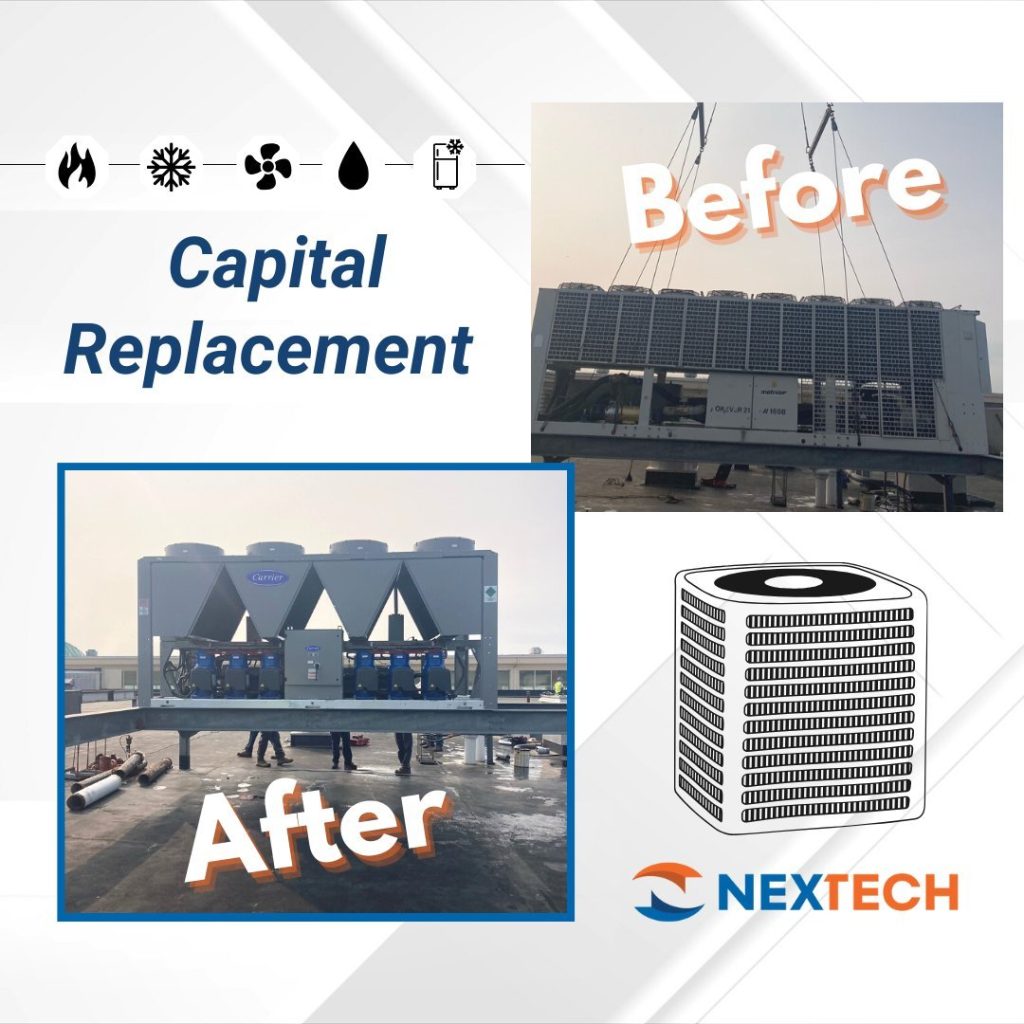
- More predictable spending: routine visits and documented findings make it easier to plan repair timing and capital replacement.
- Improved occupant experience: stable temperatures and fewer hot/cold zones reduce complaints and “thermostat battles.”
- Better operational continuity: for restaurants, retail, healthcare, and similar environments, comfort and temperature control can be closely tied to daily performance.
It’s also worth noting what agreements don’t automatically solve: if equipment is undersized, near end-of-life, or has chronic design/airflow limitations, maintenance helps—but it may not eliminate the underlying constraint.
Common Service-Agreement Mistakes (Use This Checklist)
- ☐ Not listing the exact equipment covered — If the asset list is vague, you can end up assuming coverage that isn’t included.
- ☐ Comparing price without comparing scope — Two agreements can look similar until you line up visit frequency, task lists, and reporting requirements.
- ☐ Skipping documentation expectations — If you don’t require clear service notes, recurring issues can get “rediscovered” every visit.
- ☐ No approval process for repairs — Decide how quotes, not-to-exceed limits, and authorization will work before the first issue is found.
- ☐ Ignoring access and scheduling realities — Roof access, after-hours constraints, and tenant coordination should be addressed upfront.
- ☐ Assuming it covers everything mechanical — Agreements often exclude major component replacement unless explicitly written in.
A Simple Action Plan for Choosing the Right Agreement
- ☐ Build (or request) an equipment inventory including unit type, location, and approximate age if known.
- ☐ Define your operating priorities: comfort complaints, uptime expectations, energy goals, or temperature-sensitive areas.
- ☐ Ask for a task list per visit so you can see exactly what “maintenance” means in that contract.
- ☐ Confirm visit cadence and whether it changes based on seasonal runtime or site hours.
- ☐ Require clear reporting (service notes + recommended repairs ranked by urgency) to support budgeting and decision-making.
- ☐ Clarify repair authorization with a defined process for quotes, approvals, and communication.
- ☐ Align internal responsibilities (who provides access, who receives reports, who approves repairs, and who tracks follow-ups).

Professional Insight: The “Agreement” Is Also a Communication System
In practice, we often see that the best service agreements aren’t just about the maintenance tasks—they’re about reducing confusion. When the scope, documentation, and approval steps are crystal clear, problems get resolved faster and repeat issues are easier to spot, because everyone is working from the same playbook.
When It’s Time to Bring in a Commercial Provider
If you’re unsure whether a service agreement is worth it, these are common signs it’s time to get professional support in place:
- You’re getting repeat comfort complaints (hot/cold zones, humidity issues, or inconsistent temperatures).
- Your system has frequent service calls and you don’t have a clear record of what’s been fixed and what keeps coming back.
- You manage multiple locations and need consistent standards, documentation, and scheduling across sites.
- You have temperature-sensitive operations where downtime or poor control creates business risk.
- You’re planning a budget cycle and need condition-based recommendations to prioritize repairs vs. replacement.
Frequently Asked Questions About Service Agreements
What’s the difference between planned maintenance and a repair?
Planned maintenance is scheduled, pre-approved work (like inspections and routine adjustments). A repair is corrective work done after a problem is found, usually requiring separate approval unless your agreement explicitly includes it.
How often should a business schedule maintenance visits?
It depends on equipment type, runtime, and the facility’s needs. Many businesses use seasonal or quarterly visits, but the right cadence is the one that matches how critical the equipment is to daily operations.
Does an agreement include parts and major component replacement?
Not always. Some agreements cover only routine tasks and diagnostics, while others may include select parts or discounted pricing. The contract should spell out what’s included versus billable.
What should I expect in a maintenance report?
A useful report typically lists what was checked, any issues found, recommended next steps, and notes that help track recurring problems. Clear documentation supports budgeting and reduces repeat troubleshooting.
Can a service agreement help with energy efficiency?
Maintenance can support efficient operation by keeping airflow and heat transfer components in better condition and by identifying control issues. Efficiency outcomes vary by building, equipment condition, and how findings are acted on.
Taking the Next Step with Confidence
A service agreement is a practical tool for turning building comfort and equipment reliability into a routine process instead of a recurring surprise. When you know what’s covered, how visits work, and how repairs are approved, you can manage HVAC decisions with fewer unknowns. Start by clarifying your equipment list and the outcomes you care about most, then compare agreements based on scope and documentation—not just price.
Learn More About Our Services
Discover how we can help you achieve your goals.