
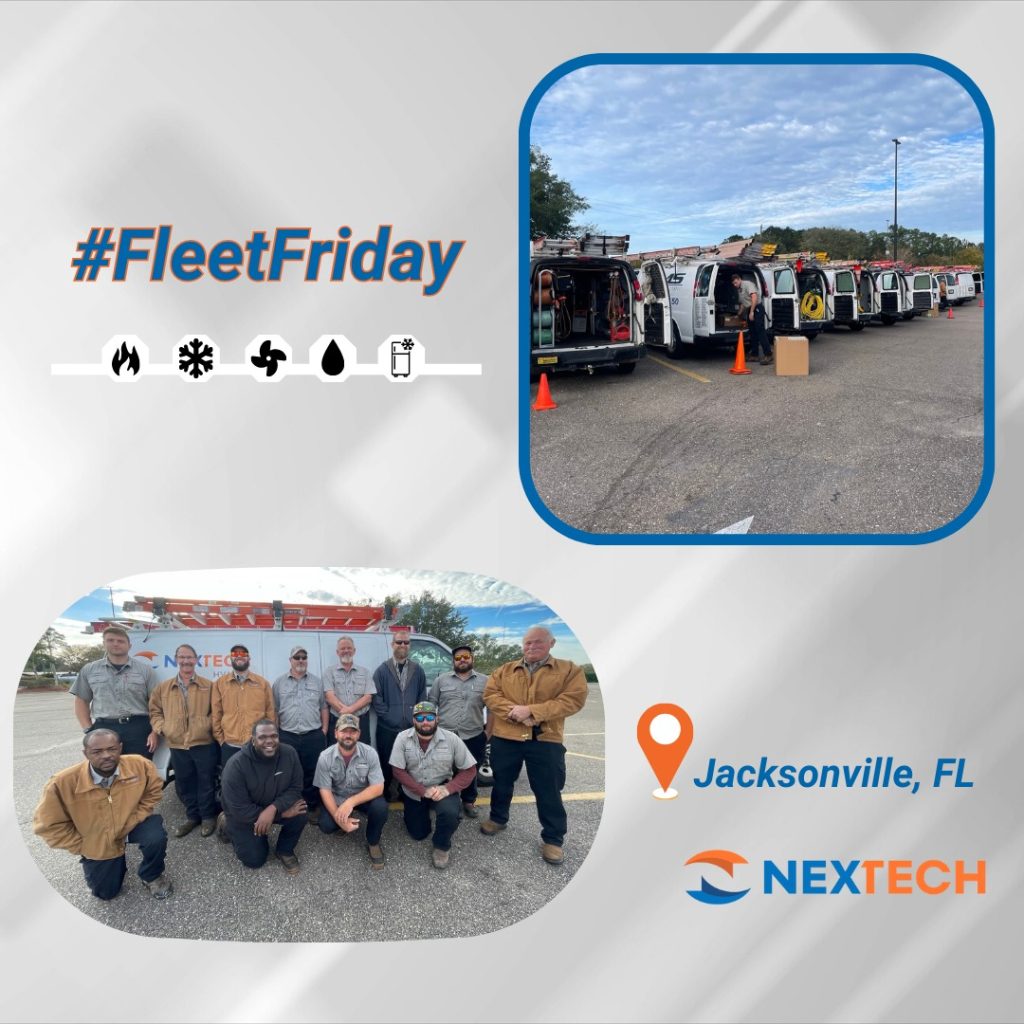
For local operations teams that need ongoing support, Nextech’s commercial HVAC service in Los Angeles, CA page outlines coverage for commercial facilities and the types of systems commonly supported.
Key Points to Know Before You Call
- Commercial service is facility-focused: it typically covers packaged rooftop units, split systems, make-up air, controls, and related components serving businesses and commercial properties.
- Good dispatch starts with good information: unit locations, symptoms, and access details often speed up diagnosis and reduce repeat visits.
- Maintenance is an operations tool: planned service can reduce surprise failures and helps standardize performance across multiple sites.
- Controls and scheduling matter: comfort complaints can come from setpoints, sensors, or schedules—not only mechanical failures.
- Documentation protects you: service notes, photos, and asset histories support better decisions on repair vs. replacement.
How Commercial HVAC Service Operations Actually Work
Commercial HVAC service operations are built around three realities: equipment is distributed (often across rooftops and mechanical rooms), access can be complex (tenants, security, after-hours rules), and downtime can affect revenue or compliance. A typical service workflow includes intake (symptoms, site details), dispatch (matching technician and parts availability), on-site diagnosis (mechanical and controls checks), corrective action (repair, adjust, or isolate the issue), and closeout (documentation and recommendations).
In many commercial environments, the “problem” isn’t just a failed part—it’s the interaction between airflow, controls, occupancy patterns, and deferred maintenance. That’s why consistent documentation and asset tracking are central to repeatable outcomes, especially for multi-location organizations.
The Real Operational Cost of Comfort and Downtime
When comfort drifts or equipment cycles improperly, the impact often shows up beyond the utility bill. You may see lost productivity, tenant complaints, product risk in temperature-sensitive areas, or strain on adjacent equipment. Even when a unit still runs, issues like low airflow, dirty coils, or control misconfiguration can increase runtime and wear.
From a budget standpoint, the hidden cost is inconsistency: repeated calls for the same space, unclear root causes, and fragmented records across sites. A structured service approach—clear priorities, defined escalation paths, and consistent reporting—helps operations teams make faster decisions and reduces the chance of “surprise” capital replacements.
Common Missteps That Slow Down Commercial Service (Checklist)
- Reporting only “it’s hot/cold”: Include where, when it started, and whether it’s constant or intermittent to improve triage.
- No clear unit identification: Missing asset tags or inconsistent naming makes it harder to confirm which equipment serves which zone.
- Access not arranged: Roof hatches, locked mechanical rooms, and tenant coordination issues can delay diagnosis and repairs.
- Ignoring controls and scheduling: Setpoints, occupancy schedules, and sensor placement can drive comfort issues that look mechanical.
- Delaying filter and coil care: Restricted airflow can mimic larger failures and increase the chance of secondary damage.
- Skipping documentation review: Not checking recent service notes can lead to repeated troubleshooting instead of resolving the root cause.
A Smart Pre-Call Checklist for Facility Teams (Action Steps)
- Confirm the affected areas: Note specific zones, suites, or departments and whether the issue is isolated or widespread.
- Capture basic symptoms: Unusual noise, short cycling, odors, water around equipment, or persistent alarms.
- Record timing: When it occurs (morning start-up, afternoons, only during occupancy) and any recent changes (tenant buildout, schedule changes).
- Gather asset details: Unit ID, location, approximate tonnage/model if available, and the last service date.
- Plan access: Roof access procedure, escort requirements, parking/loading instructions, and after-hours rules.
- Align on priorities: Identify critical spaces (server rooms, pharmacy areas, dining, customer-facing zones) to guide triage.
- Request clear closeout notes: Ask for findings, actions taken, and recommended next steps for your maintenance records.
Professional Insight: What Most Teams Miss
In practice, we often see comfort complaints traced back to small operational gaps—like inconsistent schedules, sensor issues, or unclear equipment-to-zone mapping—rather than a single catastrophic failure. Teams that keep asset lists current and standardize how issues are reported tend to get faster, more consistent outcomes because technicians can spend time fixing the problem instead of reconstructing the site history.
Signs It’s Time to Bring in a Commercial HVAC Partner
- Recurring hot/cold calls in the same areas: especially when prior visits didn’t resolve the underlying cause.
- Multiple units failing in a short period: can indicate deferred maintenance, control strategy issues, or power/airflow problems.
- Unexplained spikes in runtime or complaints: may point to airflow restrictions, sensor drift, or scheduling errors.
- Water leaks or persistent moisture: requires prompt evaluation to prevent damage and operational disruption.
- You manage multiple sites: and need standardized reporting, consistent service processes, and coordinated dispatch.
- Repair vs. replacement decisions are unclear: you need documented condition, options, and operational risk to plan budgets.
Your Questions, Answered for Commercial Facilities
What types of buildings typically qualify for commercial service?
Commercial service generally supports systems serving business facilities such as retail, restaurants, healthcare clinics, educational spaces, offices, and other commercial properties. The exact scope depends on the equipment type and the facility’s needs.
What information should I have ready when I submit a service request?
Provide the site address, on-site contact, access instructions, affected areas, unit IDs/locations if available, a clear symptom description, and when the issue started. If you have recent service notes or photos, include those as well.
How do I know if the issue is controls-related versus a mechanical failure?
Controls-related issues often show up as schedule/setpoint mismatches, inconsistent temperatures by time of day, or repeated comfort complaints without obvious equipment damage. Mechanical issues more often involve abnormal noise, icing, leaks, or failure to start. A qualified technician can confirm the root cause through diagnostics.
What should a good preventative maintenance visit include?
A solid visit typically includes safety checks, airflow-related checks, coil and drain inspection, filter condition review, electrical and control component inspection, and clear documentation of findings and recommendations. The exact checklist should match your equipment and operational priorities.
Can one provider handle HVAC plus refrigeration, electrical, and lighting for commercial sites?
Some commercial service organizations support multiple building systems under one coordination model, which can simplify scheduling, reporting, and vendor management. Confirm capabilities, coverage, and documentation standards during provider evaluation.
Moving Forward
Clear scoping, better site information, and consistent documentation can make commercial service faster and more predictable. Use the checklists above to improve dispatch quality, reduce repeat issues, and support better repair-versus-replace decisions. When you’re managing multiple stakeholders and tight uptime expectations, a standardized service process is often as important as the repair itself.
Still have questions?
If you’re unsure how to prioritize issues, what details to capture, or how to standardize service across locations, it helps to talk through your facility requirements and reporting expectations with a commercial-focused provider.
Get in Touch
Fill out our quick form and we’ll get back to you within 24 hours.