
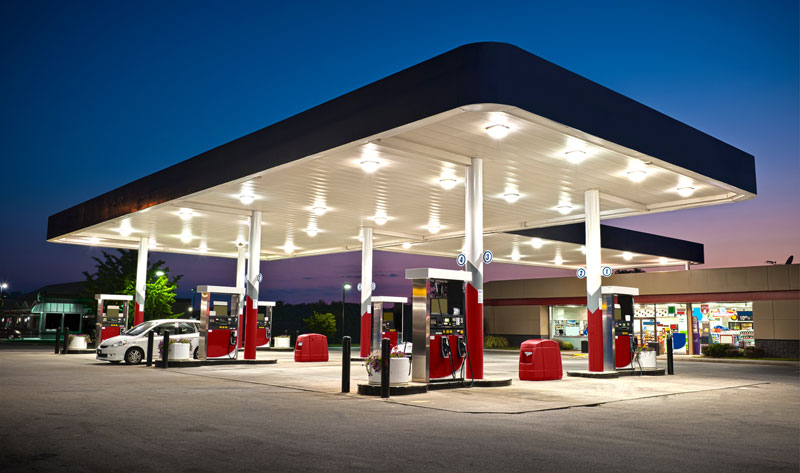
Convenience store coolers work around the clock to keep beverages, dairy products, prepared foods, sandwiches, and other temperature-sensitive products cold and safe for customers. Because these refrigeration systems operate continuously, they experience significant wear and tear compared with equipment used only occasionally. Regular commercial refrigeration maintenance is essential for preventing breakdowns, protecting inventory, controlling energy costs, and keeping a convenience store operating efficiently. A neglected cooler may gradually become less efficient before eventually failing at the worst possible time.
Why Convenience Store Coolers Need Frequent Maintenance
Convenience store refrigeration equipment is constantly exposed to demanding conditions. Customers open cooler doors repeatedly throughout the day, allowing warm air to enter and forcing the refrigeration system to work harder to maintain the desired temperature. During busy periods, doors may be opened dozens or even hundreds of times.
Dust, dirt, grease, and debris can also accumulate around refrigeration components. Convenience stores frequently have high foot traffic, which can introduce additional dust and debris into the environment. If condenser coils become dirty, the refrigeration system may struggle to release heat efficiently. The compressor can then work harder and run longer, increasing energy consumption and placing additional stress on the equipment.
Frequent maintenance helps identify these problems before they become expensive repairs. A technician can inspect the system, clean important components, check temperatures, and look for signs of wear that may indicate a developing problem.
Preventing Product Loss
One of the biggest reasons convenience stores need reliable refrigeration is inventory protection. A cooler failure can quickly turn into a significant financial loss if perishable products cannot be kept at safe temperatures.
A malfunctioning walk-in cooler, beer cooler, reach-in cooler, or refrigerated display case may not immediately stop working completely. Instead, temperatures may gradually rise while the equipment continues to run. Without regular temperature monitoring and maintenance, employees may not realize there is a problem until products are already compromised.
Routine refrigeration service can help identify issues such as inadequate cooling, refrigerant problems, failing fans, dirty coils, faulty controls, damaged door gaskets, and electrical problems. Catching these issues early can reduce the likelihood of a major failure and help protect valuable inventory.
Cleaning Condenser Coils
One of the most important maintenance tasks for commercial refrigeration equipment is keeping condenser coils clean. Condenser coils release heat removed from inside the cooler. When they become coated with dust and debris, the system has a harder time transferring that heat.
A dirty condenser can cause the refrigeration system to run longer and work harder. This can increase energy consumption and contribute to premature wear on components such as the compressor.
During routine maintenance, a qualified refrigeration technician can inspect and clean the condenser coils according to the manufacturer’s recommendations. The frequency required can vary depending on the equipment and the environment, but convenience stores with heavy traffic or dusty conditions may need more frequent attention.
Checking Door Seals and Gaskets
Cooler doors are another common source of refrigeration problems. Every time a customer opens a door, warm air enters the refrigerated space. A damaged or worn door gasket can make the problem significantly worse by allowing cold air to escape even when the door is closed.
Technicians should inspect door gaskets for cracks, tears, looseness, or other damage. A gasket that no longer creates a proper seal may need to be adjusted or replaced.
Employees can also perform simple visual checks throughout the day. If a cooler door does not close completely, feels unusually loose, or has a visibly damaged seal, it should be reported promptly.
Inspecting Evaporator Components
The evaporator is another critical component of a commercial refrigeration system. It helps remove heat from the refrigerated space, allowing the cooler to maintain the appropriate temperature.
Fans, motors, coils, and other evaporator components should be inspected during routine service. A failing evaporator fan motor, for example, can interfere with proper air circulation and cause uneven temperatures throughout a cooler.
Ice buildup around the evaporator can also indicate an underlying problem. While some frost may occur under normal conditions, excessive ice can restrict airflow and reduce cooling performance. A technician can determine why the buildup is occurring and address the underlying issue instead of simply removing the ice.
Checking Refrigerant and System Performance
Refrigerant is essential to the refrigeration process, and inadequate refrigerant levels can prevent a cooler from maintaining proper temperatures. If a system develops a refrigerant leak, simply adding refrigerant may not solve the problem permanently.
A qualified technician can evaluate refrigeration performance, inspect for signs of leaks, and determine whether additional repairs are necessary. Other components, including compressors, expansion devices, fans, controls, and electrical connections, should also be evaluated as part of comprehensive service.
Identifying declining system performance early can help convenience store owners avoid the inconvenience and expense of an emergency breakdown.
Monitoring Cooler Temperatures
Temperature monitoring is another important part of maintaining commercial refrigeration equipment. Store employees should know the appropriate temperature ranges for the products being stored and routinely check refrigeration equipment.
Digital temperature displays, alarms, and monitoring systems can make it easier to identify temperature fluctuations. If a cooler is consistently warmer than expected, the issue should be investigated rather than ignored.
Temperature problems may be caused by something as simple as a door that is not sealing properly, but they can also indicate a more significant mechanical or refrigeration problem. Early intervention can make the difference between a relatively simple repair and a major equipment failure.
Maintaining Walk-In Coolers
Walk-in coolers require particular attention because they often store large quantities of products. Employees should keep products organized so that air can circulate properly and should avoid blocking evaporator fans or vents.
Doors should remain closed when the cooler is not being accessed. Door sweeps, hinges, gaskets, lighting, fans, and other components should be inspected regularly.
Routine professional maintenance should also include an inspection of the refrigeration system serving the walk-in cooler. Because a walk-in can contain substantial inventory, a refrigeration failure can have serious financial consequences.
Don’t Ignore Strange Noises or Performance Changes
Convenience store employees are often the first people to notice changes in refrigeration equipment. Unusual noises, excessive vibration, longer cooling cycles, water leaks, excessive frost, or temperature fluctuations can all be warning signs.
Rather than waiting for the cooler to stop working, store management should have these symptoms investigated. Small problems can become larger problems when equipment continues operating under abnormal conditions.
A preventative maintenance approach is generally better than relying exclusively on emergency refrigeration service. Regular maintenance allows technicians to identify worn components and performance issues before they cause an unexpected shutdown.
How Often Should Convenience Store Coolers Be Serviced?
There is no single maintenance schedule that works for every convenience store. The ideal frequency depends on the type of equipment, age of the system, operating conditions, store traffic, environmental factors, and manufacturer’s recommendations.
High-use convenience stores may benefit from more frequent inspections because their coolers experience constant customer access and heavy operating demands. Store owners should work with a qualified commercial refrigeration professional to develop a maintenance schedule based on their specific equipment.
In addition to professional service, employees should perform basic daily checks. Looking for temperature changes, unusual noises, damaged doors, frost buildup, water leaks, and other visible problems can help staff recognize issues quickly.
Reliable Refrigeration Protects the Entire Store
Convenience store coolers are more than appliances—they are essential business equipment. A refrigeration failure can affect product quality, inventory costs, customer satisfaction, employee productivity, and daily revenue. Frequent maintenance helps keep refrigeration systems operating efficiently while reducing the risk of unexpected breakdowns.
Nextech provides commercial HVAC and refrigeration services to help convenience stores maintain critical cooling equipment, including walk-in coolers, beverage coolers, and refrigerated display cases. Through routine maintenance, commercial refrigeration repair, troubleshooting, and emergency HVAC & refrigeration service, At Nextech, we can help convenience store owners nationwide protect their inventory and keep their refrigeration systems operating reliably. From repairing walk-in beer coolers and beverage door coolers to developing preventative maintenance programs that keep your equipment running all year, our experienced technicians are committed to helping your business stay cool, efficient, and operational.We even offer 24/7 responsive services!
Contact us today so we can dispatch a service technician to your location!