
CLIMA 2013, June 16 – 19, Prague, Czech Republic. Endorsed by ASHRAE. Contact 420 284 001 444, fax 420 284 001 448, clima2013@guarant.cz.
The theme of the 11th REHVA World Congress is Energy Efficient, Smart and Healthy Buildings.
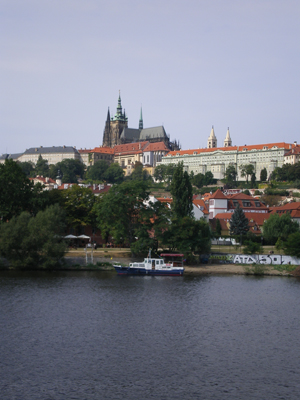
The CLIMA congress has met every three years since 1979. This congress will held at the Prague Congress Centre (PCC) which is ideally located near the city centre with a panoramic view of Prague Castle. It is easily accessible by both public and private transport.
Sessions covering a broad range of topics are planned:
- energy efficient heating, cooling and ventilating of buildings;
- renewable and high-efficient energy sources;
- commissioning and facility management;
- technologies for intelligent buildings;
- advanced HVAC systems for buildings;
- quality of indoor environment;
- integrated building design;
- HVAC best practice examples;
- HVAC in historical buildings;
- building certification schemes;
- directive on energy performance of buildings implementation;
- zero energy buildings; and many more …
Source: www.ashrae.org.
Innovations in HVAC Technology
One of the standout features of the REHVA CLIMA 2013 Congress was the emphasis on cutting-edge innovations in HVAC technologies. As the industry moves toward more sustainable practices, advancements such as variable refrigerant flow systems, smart thermostats, and energy recovery ventilators were key discussion points. These technologies not only enhance energy efficiency but also improve the overall comfort of indoor environments. Participants were encouraged to explore how these innovations can be integrated into existing buildings to reduce energy consumption while maintaining high air quality standards.
Sustainable Building Practices
The congress also highlighted the importance of sustainable building practices, with a focus on the lifecycle impact of materials and construction methods. Presentations covered topics like green roofs, rainwater harvesting, and the use of recycled materials in building projects. By adopting such sustainable approaches, professionals are better equipped to contribute to the reduction of the carbon footprint associated with building operations. The discussions underscored that incorporating sustainability from the design phase through to construction and operation can lead to significant long-term benefits for both the environment and building occupants.
Networking Opportunities
CLIMA 2013 offered excellent networking opportunities for attendees, allowing professionals from various sectors—engineers, architects, and policy makers—to share insights and forge potential collaborations. The diverse range of participants enriched the dialogue around energy-efficient solutions and best practices in HVAC systems. The interaction fostered a community of like-minded individuals dedicated to advancing the future of building performance, which is crucial for tackling the challenges posed by climate change and urbanization.