
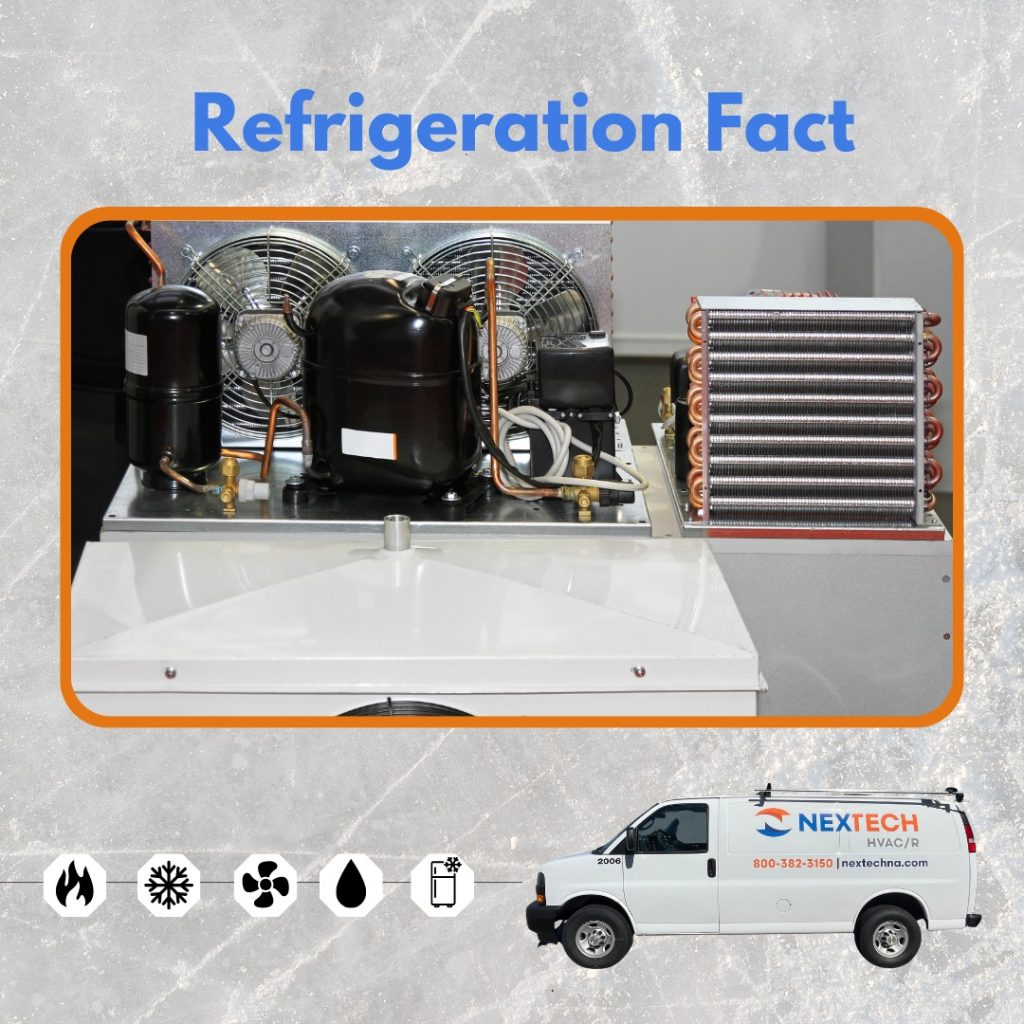
Head pressure problems can turn a reliable refrigeration system into a noisy, inefficient, and failure-prone headache—especially for facility managers, store operators, and maintenance coordinators responsible for keeping product temperatures stable. Commercial refrigeration head pressure is one of the most common “numbers” people hear about during service calls, but it’s often misunderstood: it’s not just a reading, it’s a clue to what the system is experiencing. During the summer months, higher outdoor temperatures can make pressure-related issues show up more quickly, which is why knowing the basics helps you respond calmly and correctly. This guide explains what head pressure is, what typically drives it up or down, what it can cost you if ignored, and how to document the right details before you call for professional support.
If you want a broader foundation on how commercial systems behave and what facility teams typically monitor, start with Understanding Commercial HVAC System Performance Metrics: Essential Insights for Facility Managers.
The Essentials: What Head Pressure Tells You
- Head pressure is the high-side pressure in a refrigeration circuit, typically associated with the condenser side of the system.
- High head pressure often points to heat not leaving the system efficiently (airflow issues, dirty coils, overcharge, non-condensables, or high ambient conditions).
- Low head pressure can be tied to low heat load, low ambient conditions, metering/feeding issues, or refrigerant-related problems—context matters.
- Pressure readings alone aren’t a diagnosis; they must be interpreted with temperatures, operating conditions, and recent changes (cleaning, repairs, refrigerant work).
- Ignoring abnormal pressure trends can increase energy use, shorten component life, and raise the risk of unplanned downtime.
How Refrigeration Head Pressure Works
In a commercial refrigeration system, the compressor pushes refrigerant into a high-pressure, high-temperature state. That hot refrigerant then moves to the condenser, where the system is supposed to reject heat to the surrounding air (or water, depending on design). The pressure on this “high side” is commonly referred to as head pressure.
Here’s a beginner-friendly way to think about it: head pressure is like the system’s “backpressure” while it tries to dump heat. When the condenser can’t get rid of heat effectively, pressure tends to rise. When heat rejection is easy—or the system isn’t moving much heat—pressure may run lower. What’s “normal” depends on refrigerant type, equipment design, outdoor/indoor conditions, and the load on the case or walk-in.
Because of those variables, the most useful approach is often trend-based: compare today’s readings to the same asset’s typical readings under similar conditions, not to a single universal number.

The Real-World Impact of Abnormal High-Side Pressure
When head pressure is consistently too high or too low for the operating conditions, the system can drift away from stable control. That can create operational and business impacts that show up as “mystery” issues—temperature swings, nuisance alarms, and higher utility costs.
- Energy and operating cost: Higher pressure generally means the compressor works harder to move refrigerant.
- Equipment wear: Elevated operating stress can contribute to premature issues in compressors, fan motors, contactors, and controls.
- Temperature stability risk: Pressure-related problems can reduce the system’s ability to maintain consistent product temperatures.
- Service disruption: Recurring alarms or cycling can pull staff away from other priorities and increase service calls.
- Food quality and compliance exposure: For food-facing operations, unstable temperatures can create documentation and product-loss concerns.
Common Missteps That Make Head Pressure Problems Worse
- □ Treating one gauge reading as the whole story: Pressure needs context—ambient temperature, condenser condition, and load all matter.
- □ Ignoring condenser cleanliness and airflow: A dirty coil, blocked intake, or recirculating hot air can drive pressure up.
- □ Overreacting to “normal” seasonal changes: Some variation is expected; the key is unusual deviation from the asset’s baseline.
- □ Skipping documentation after refrigerant-related work: If refrigerant was added or recovered, record what changed and when.
- □ Assuming the issue is always refrigerant charge: Airflow, fan operation, and control issues can mimic charge problems.
- □ Letting small symptoms linger: Intermittent high-pressure trips can be an early warning of a developing condenser or control issue.
A Practical Action Plan for Facility Teams
- □ Capture the operating conditions: Note outdoor/indoor temperature, time of day, and whether the asset is under heavy load.
- □ Record alarms and fault history: Write down exact alarm codes, timestamps, and whether the unit reset itself.
- □ Observe condenser airflow basics: Look for obvious obstructions, damaged guards, or anything that could trap hot discharge air.
- □ Listen for fan and compressor behavior changes: Unusual cycling, loud starts, or fans not running when expected are useful clues.
- □ Confirm recent changes: Log recent cleaning, remodel activity near the condenser, refrigerant work, or controller adjustments.
- □ Build a simple trend log: Track “typical” pressure/temperature snapshots for the same asset under similar conditions.
- □ Standardize what you report: Use the same checklist each time so service teams can compare apples to apples.
The Pattern Behind Many High-Pressure Calls
In practice, we often see head pressure complaints trace back to heat rejection constraints that aren’t obvious from the ground—things like partially blocked condenser intakes, short-cycling condenser fans, or hot air recirculation caused by nearby equipment or layout changes. The pressure reading becomes the symptom; the real fix is usually restoring stable airflow and control behavior so the condenser can consistently shed heat.
When It’s Time to Bring in Commercial Refrigeration Support
Some pressure-related symptoms are strong indicators that you should involve a qualified commercial service provider rather than trying to “wait it out.”
- Repeated high-pressure shutdowns or lockouts (especially if they return soon after reset).
- Product temperature drift that doesn’t stabilize after normal operating cycles.
- Visible condenser issues such as damaged coils, non-operational fans, or persistent debris buildup.
- After refrigerant circuit work when performance changes immediately (new noises, new alarms, or abnormal cycling).
- Multiple sites reporting similar symptoms (suggesting a maintenance process gap, control setting inconsistency, or environmental change).
Frequently Asked Questions
What does “head pressure” mean in a refrigeration system?
It’s the high-side pressure associated with the condenser side of the circuit, reflecting how hard the system is working to reject heat as refrigerant moves through the condenser.
Is high pressure always caused by a dirty condenser coil?
No. Coil cleanliness is a common factor, but airflow problems, fan control issues, hot air recirculation, certain refrigerant-related conditions, and operating environment can also contribute.
Can pressure readings vary by season or time of day?
Yes. Ambient temperature and system load can change throughout the day and across seasons, which can shift pressures. Trend comparisons under similar conditions are usually more useful than one-off readings.
What information should I collect before I call for service?
Capture alarm codes, timestamps, operating conditions (ambient temperature and load), any recent repairs or refrigerant work, and any visible airflow obstructions around the condenser area.
How is this different from a residential air conditioner issue?
Commercial refrigeration typically supports temperature-sensitive products and may involve different equipment configurations, controls, and operating demands than residential comfort cooling.
Where to Go from Here
Head pressure is a useful diagnostic signal, but it’s most valuable when you pair it with operating context, trend history, and a clear record of what changed. If you standardize what your team observes and documents, you’ll reduce guesswork and speed up troubleshooting. The goal isn’t to memorize numbers—it’s to recognize abnormal patterns early and protect temperature stability, uptime, and equipment life.
Learn More About Our Services
Discover how we can help you achieve your goals.