
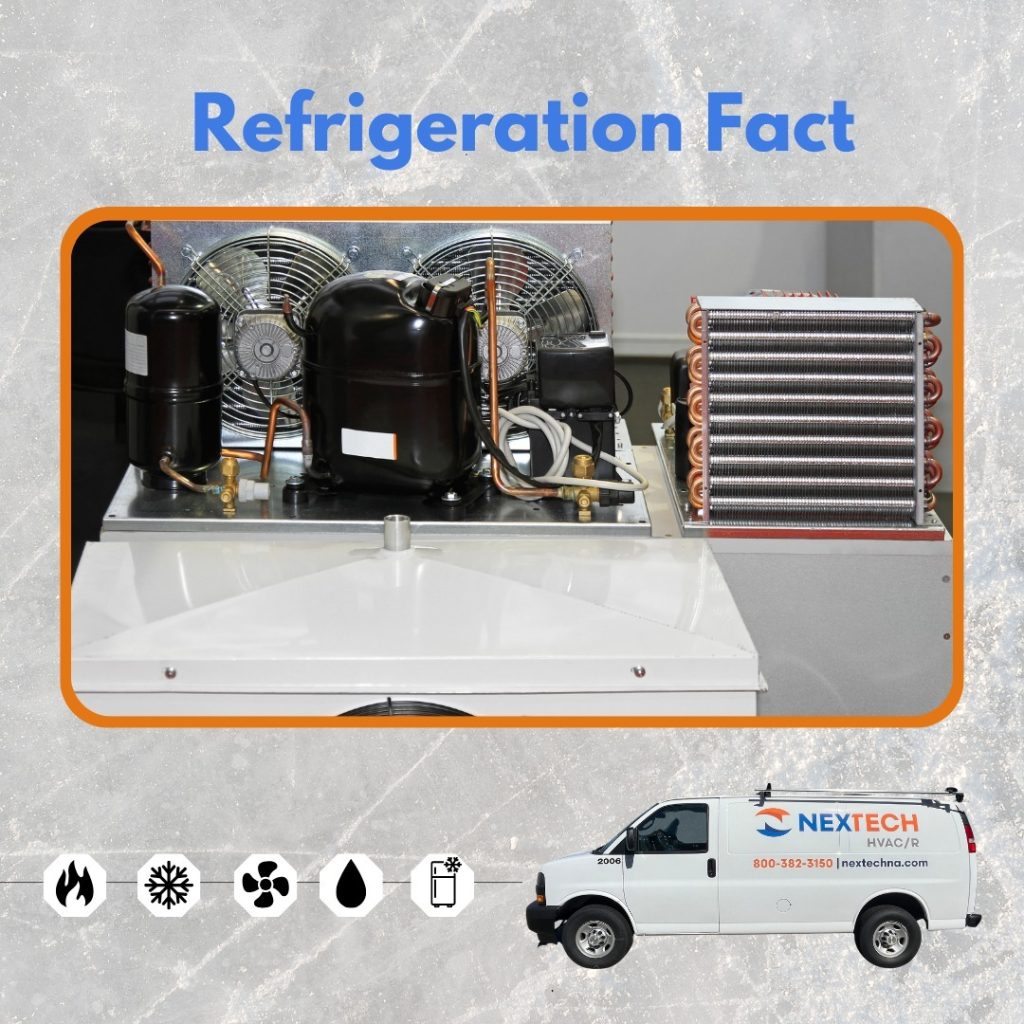
Commercial refrigeration problems rarely start with a dramatic failure—they usually begin as small changes: warmer case temps, longer run times, or a walk-in that “almost” holds setpoint. For facility managers, operations leaders, and multi-site teams, those small changes matter because they can affect product quality, food safety processes, and customer experience. As spring brings warmer days and heavier system runtime, it’s a good moment to review the questions that come up most often before a service call. This FAQ focuses on what to look for, what information to gather, and how to think about maintenance and provider support in a commercial setting—without drifting into DIY repairs.
If you want a deeper primer on how these systems are typically maintained and what a preventative plan includes, see Commercial HVAC and Refrigeration Preventative Maintenance: Best Practices.
For businesses looking for commercial refrigeration service in Idaho Falls, ID, the questions below can help you document symptoms, set expectations, and avoid common missteps that delay repairs.
At a Glance: Answers You Can Use Today
- Start with symptoms, not guesses: Record temperatures, alarms, and when the issue started to speed up diagnosis.
- Protect the cold chain: If product temperatures are out of spec, prioritize operational containment and professional evaluation.
- Maintenance is a reliability tool: A consistent PM routine can reduce surprise downtime and improve performance stability.
- Airflow and cleanliness matter: Many performance issues trace back to restricted airflow, dirty components, or poor door sealing—issues a technician can confirm and correct.
- Multi-site consistency helps: Standardized setpoints, logs, and service history make troubleshooting faster across locations.
How Commercial Refrigeration Service Typically Works
In most commercial environments, service starts with information gathering: current temperatures, recent changes (loading, hours, setpoints), alarm history, and any prior repairs. A technician then validates the complaint by checking system operation under real conditions—looking at temperature performance, defrost behavior (where applicable), airflow, and component condition.
From there, the goal is to identify the most likely root cause and confirm it with appropriate testing. Depending on the equipment type (walk-in cooler/freezer, reach-in, prep table, ice machine, or display case), the service approach can vary. What stays consistent is the need for clear documentation, safe work practices, and an emphasis on restoring stable temperatures while minimizing disruption to operations.
Operational Risks When Cooling Performance Slips
When cooling performance drifts, the impact isn’t limited to comfort—it can affect inventory value, food safety procedures, and labor time spent managing workarounds. A unit that’s “kind of” holding temperature may also run longer, increasing wear and making an eventual breakdown more likely.
Delays can also create compounding issues: repeated temperature excursions, inconsistent product quality, and avoidable disposal events. For multi-location operators, inconsistent response processes (who calls, what details are provided, how product is protected) can turn a manageable issue into a recurring pattern.
Common Missteps That Slow Down Repairs (Checklist)
- Waiting for a total failure: Small symptoms (icing patterns, longer runtimes, warmer temps) are often earlier, easier-to-address signals.
- Changing setpoints repeatedly: Frequent adjustments can mask the real issue and complicate diagnosis.
- Not capturing basic data: Missing timestamps, product temps, and alarm codes forces the tech to start from scratch.
- Blocking airflow with overstock: Overloading shelves or stacking product too tightly can create hot spots that look like equipment failure.
- Ignoring door and gasket condition: Poor seals can drive temperature instability and icing, especially in high-traffic areas.
- Unclear responsibility at the site: If no one owns access, escorting, and approvals, service can stall.
A Practical Prep List Before You Call (Checklist)
- Write down the unit details: Equipment type, location in the facility, and any asset tag or internal identifier.
- Record temps and timing: Current box temperature, product temperature (if your process includes it), and when the issue began.
- Note alarms and error codes: Capture exactly what the display shows and when it appears.
- Describe operating conditions: Recent deliveries, high door traffic, unusually heavy loading, or schedule changes.
- Confirm access logistics: Who can grant entry, where the unit is located, and any site safety requirements.
- Gather service history: Recent repairs, recurring issues, and any parts previously replaced.
Professional Insight: The Pattern Behind “Intermittent” Issues
In practice, we often see “intermittent” cooling complaints tied to repeatable operating conditions—like peak door openings, specific delivery windows, or a defrost cycle that doesn’t fully recover. When sites track a few consistent data points (time of day, temperatures, and what was happening operationally), it becomes much easier to separate an equipment fault from a usage-driven temperature swing and to target the fix.
When It’s Time to Bring in a Commercial Technician
- Temperatures can’t hold setpoint: Especially if you’re seeing repeated excursions or unstable recovery.
- Product quality or safety processes are at risk: If you’re implementing workarounds to keep items cold, it’s time for professional support.
- Visible icing or water issues: Ice buildup, pooling water, or frequent sweating can signal underlying performance problems.
- Unusual noise, vibration, or short cycling: These can indicate mechanical or control issues that require qualified evaluation.
- Recurring alarms or resets: Repeated faults typically point to a condition that needs diagnosis, not repeated clearing.
- You manage multiple locations: Standardizing response and maintenance across sites often benefits from a dedicated commercial provider.
Your Questions, Answered
What information should I have ready when I request service?
Have the equipment type and location, current box temperature, when the issue started, any alarm codes, and any recent changes (heavy loading, door traffic, schedule shifts). If you have service history, share what was repaired and when.
How do I tell if a temperature problem is equipment-related or operational?
A technician will confirm this through testing, but you can help by noting patterns: Does the issue happen at the same time each day, after deliveries, or during high door traffic? Consistent timing and context can be a strong clue.
What’s typically included in a preventative maintenance visit for cold equipment?
It commonly includes inspection, cleaning where appropriate, performance checks, verifying controls and defrost operation (if applicable), and documenting findings. The exact scope depends on equipment type, site needs, and the service agreement.
Do service providers support multi-site businesses with standardized reporting?
Many commercial providers can support multi-location operations with consistent documentation, asset tracking, and coordinated dispatch. If you have multiple sites, ask how they handle service history, communication, and reporting across locations.
Can a provider also help with HVAC, lighting, and electrical needs at the same facility?
Some commercial contractors offer multiple building services under one umbrella, which can simplify vendor management and site coordination. Confirm scope and coverage upfront so expectations are clear.
Taking Action
Reliable cold equipment depends on two things: stable system performance and a clear response process when something changes. If you document symptoms early, keep basic operating notes, and use a consistent maintenance approach, you’ll usually reduce downtime and improve predictability. The FAQs above are designed to help you gather the right details and avoid delays when you need professional support. Still have questions about what to track at your site or how to structure a preventative plan? We can help you think it through.
Get in Touch
Fill out our quick form and we’ll get back to you within 24 hours.