
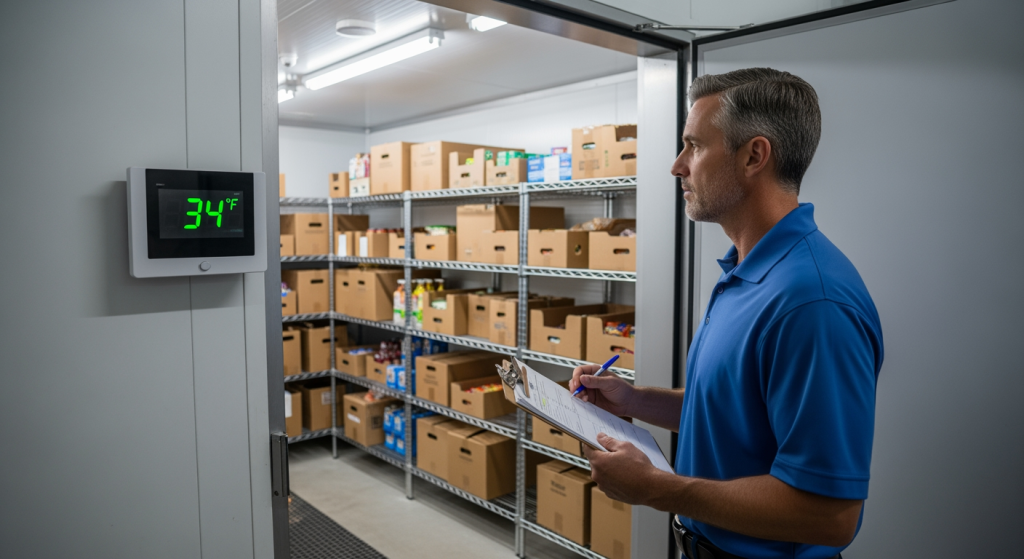
Commercial refrigeration problems rarely start with a dramatic failure—they usually show up as small temperature swings, longer run times, frost patterns, or repeated nuisance alarms that disrupt operations. If you manage a restaurant, grocery, convenience store, pharmacy, or other commercial facility, a clear checklist helps you spot issues early, document what matters, and communicate faster with your service partner. As spring transitions into warmer weather, many locations see refrigeration systems work harder, which can expose weak points in airflow, controls, and maintenance routines. This checklist is designed to help facility managers and operators prioritize reliability, protect temperature-sensitive inventory, and reduce avoidable downtime—without turning into DIY repair instructions.
For a deeper foundation on what to track and why, review Commercial HVAC and Refrigeration Preventative Maintenance: Best Practices before you standardize your internal process.
If you’re coordinating commercial refrigeration service in Fresno, CA, the steps below can also help you align store teams, vendors, and internal stakeholders around the same expectations and documentation.
The Essentials: Your Checklist in 60 Seconds
- ✓ Confirm temperature performance (product zone, not just the display)—log readings consistently and flag drift.
- ✓ Watch for early warning signs like short-cycling, icing, warm spots, and persistent alarms.
- ✓ Keep airflow paths clear—blocked grilles and overstocking can mimic equipment failure.
- ✓ Document recurring issues with dates, symptoms, and affected cases to speed diagnosis.
- ✓ Verify maintenance basics are scheduled (cleaning, inspections, calibration) to prevent avoidable breakdowns.
- ✓ Know your escalation triggers—when to involve a qualified commercial provider immediately.
What This Checklist Covers (And What It Doesn’t)
This checklist focuses on operational checks, documentation, and readiness steps that help a commercial team manage refrigeration risk. It’s meant for commercial facilities such as restaurants, grocery stores, retail, healthcare clinics, and multi-site operators.
It does not provide repair instructions, refrigerant handling steps, or component-level troubleshooting. Many refrigeration tasks require trained, licensed professionals and proper safety procedures. Use this as a practical framework to identify symptoms, reduce preventable stress on equipment, and communicate clearly when service is needed.
The Real-World Impact of Small Refrigeration Issues
- Product risk: Even minor temperature instability can put temperature-sensitive inventory at risk, especially across long operating hours.
- Operational disruption: When a case or walk-in is unreliable, teams spend time moving product, monitoring temps, and managing exceptions.
- Cost creep: Systems that run longer than necessary can increase energy use and accelerate wear on critical components.
- Compliance pressure: Many businesses must maintain internal logs and procedures; incomplete documentation can create avoidable headaches during audits or inspections.
- Brand experience: Warm cases, icing, and out-of-order equipment can affect customer confidence and sales.
Common Missteps That Create Avoidable Downtime
- ✓ Ignoring “minor” alarms — Repeated alarms often indicate a pattern worth documenting before it becomes a failure.
- ✓ Logging only a single air temperature — Air readings can look fine while product zones run warm; capture what reflects real storage conditions.
- ✓ Overloading shelves and blocking returns — Poor airflow can cause warm spots and icing that look like equipment malfunction.
- ✓ Treating every site the same — Different layouts, door traffic, and stocking practices change how systems behave.
- ✓ Losing the service history — If prior symptoms, parts replaced, and timelines aren’t easy to find, diagnosis typically takes longer.
- ✓ Waiting to escalate until product is at risk — Set clear triggers so staff knows when to call for professional support.
A High-Priority Action Plan for Facility Teams
- ✓ Establish a temperature logging routine (Priority: High) — Standardize who logs, where it’s recorded, and what “out of range” means for your operation.
- ✓ Create a simple “symptom notes” template (Priority: High) — Include: asset ID/location, time of day, door traffic level, alarm codes (if any), and what changed operationally.
- ✓ Add a weekly visual walk-through (Priority: High) — Look for icing, unusual noise, water where it shouldn’t be, damaged gaskets, or blocked airflow paths.
- ✓ Confirm your cleaning and inspection cadence (Priority: High) — Align internal cleaning responsibilities with scheduled professional maintenance so nothing falls through the cracks.
- ✓ Maintain an up-to-date equipment list (Priority: Medium) — Track model/serial (where available), install location, and service contacts to reduce delays.
- ✓ Pre-define escalation rules (Priority: High) — Decide what triggers an immediate service call (persistent alarms, repeated temperature drift, icing that returns quickly, or any product safety concern).
- ✓ Coordinate across trades when needed (Priority: Medium) — Temperature issues can be influenced by lighting heat load, electrical reliability, or operational changes; keep notes so the right team can respond.
Professional Insight: What Most Teams Miss
In practice, we often see that the fastest path to resolution is clear, consistent documentation—when teams can share what changed, when it started, and how often it repeats, service technicians can focus on likely causes instead of recreating the timeline from scratch.
When to Bring in a Commercial Refrigeration Professional
- ✓ Temperatures won’t stabilize after normal operating conditions return (typical stocking and door traffic).
- ✓ Repeated alarms or lockouts occur, especially if they return soon after being cleared.
- ✓ Icing or frost patterns keep coming back or appear alongside warm product zones.
- ✓ Unusual noise, burning smell, or visible damage is observed—stop using the equipment as appropriate and escalate.
- ✓ Water leaks or pooling show up around cases or walk-ins and recur after basic housekeeping checks.
- ✓ Multi-site pattern issues emerge (same symptoms across locations), suggesting a process, settings, or maintenance gap.
Common Questions About Refrigeration Readiness
How often should a business log temperatures?
That depends on your operation, equipment type, and internal requirements. Many teams choose a routine that matches peak risk periods (high traffic, deliveries, or long operating hours) and ensures exceptions are documented clearly.
What information should we capture before we place a service call?
Record the asset location/ID, the symptom, when it started, whether it’s constant or intermittent, any alarm codes displayed, and what operating conditions were present (stocking level, door traffic, recent cleaning, or recent changes).
Why do some cases look cold but still have warm product spots?
Display air temperature and product temperature can differ when airflow is restricted, doors are frequently opened, or stocking blocks return paths. Logging readings in the product zone helps identify this gap.
What qualifies as “commercial” refrigeration service?
It generally refers to refrigeration systems used in business facilities—such as walk-in coolers/freezers, display cases, and other food- or product-preservation equipment—maintained and repaired by qualified commercial providers.
How can multi-location operators standardize refrigeration checks?
Use a shared checklist, consistent logging templates, and clear escalation thresholds. Standardization makes it easier to compare performance across sites and reduce delays when service is needed.
Taking Action
A reliable refrigeration program is built on repeatable checks, clear documentation, and fast escalation when symptoms persist. Use the checklist above to reduce guesswork for your team, protect temperature-sensitive inventory, and create cleaner handoffs to your service partner. If you manage multiple sites, standardizing these steps can also improve consistency across locations. When issues move beyond routine observation—especially recurring alarms, unstable temperatures, or persistent icing—professional commercial support is the safest next step.
Want More Information?
Download our free resource to learn more about this topic.