
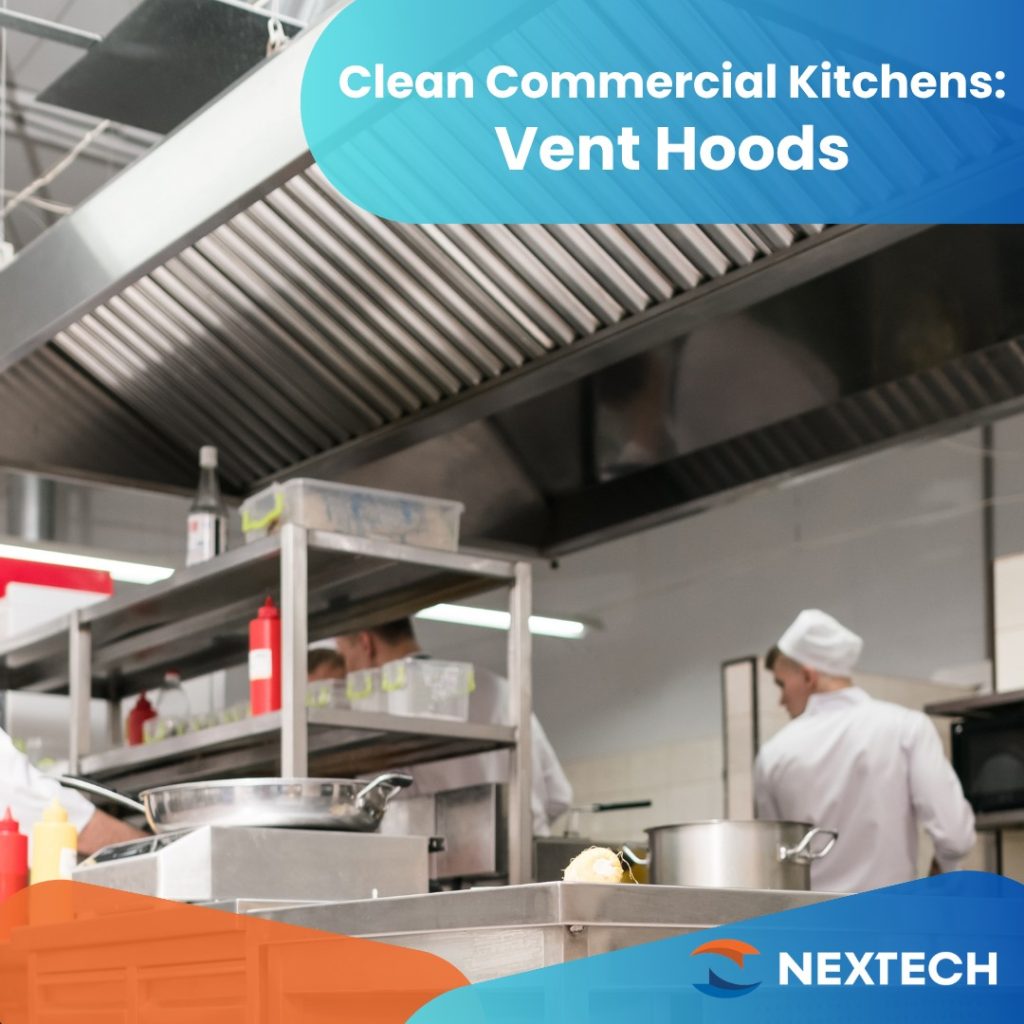
Keeping commercial kitchen equipment reliable is a daily operational requirement for restaurants, grocery prepared-foods departments, convenience stores, and other foodservice facilities. When critical assets like refrigeration, ovens, or ice machines drift out of spec, you can see ripple effects in food quality, staff workflow, and customer experience. This checklist is designed for facility managers, operations leaders, and multi-site teams who need a repeatable way to spot issues early, document what matters, and prepare for professional service without slowing the kitchen down.
As spring brings warmer conditions and higher cooling demand, it’s a practical time to confirm your kitchen’s heat-producing and temperature-sensitive systems are ready for steady operation.
If you’re building a preventive approach, start with the fundamentals in Essentials of Commercial Kitchen Equipment Maintenance, then use the checklist below to standardize what your team looks for on-site.
For local support planning and service coverage, review commercial kitchen equipment service in Melbourne, FL to understand how commercial facilities typically structure maintenance and repair support.
The Essentials (Medium Priority Checklist)
- ✓ Focus on uptime drivers first: Refrigeration, cooking, and warewashing typically affect operations fastest when they’re down or underperforming.
- ✓ Use “observable checks,” not DIY repairs: Aim for condition, performance, and documentation—leave internal adjustments and disassembly to qualified technicians.
- ✓ Standardize across shifts: A consistent checklist reduces “it seemed fine” handoffs and helps catch slow-developing issues.
- ✓ Log readings and symptoms: Temperatures, cycle behavior, error codes, and unusual noises are often more useful than broad descriptions.
- ✓ Plan around peak periods: Schedule deeper checks during lower-volume windows to reduce disruption.
What This Checklist Covers (and What It Doesn’t)
This is an operational readiness checklist for commercial foodservice environments. It helps you identify early warning signs, capture the right details for service calls, and prioritize assets that affect temperature control, cooking throughput, and sanitation.
It does not provide step-by-step repair instructions, electrical work guidance, or disassembly procedures. If a task requires tools beyond basic observation and documentation, treat it as a professional service item.
The Operational Cost of Skipping Routine Checks
- Downtime during service hours: A single failed component can bottleneck ticket times, reduce menu availability, or force product movement.
- Food quality and safety risk: Temperature drift, inconsistent cooking, or poor sanitation performance can create compliance and waste concerns.
- Higher repair complexity: Small, detectable symptoms (vibration, short-cycling, slow recovery) can become larger failures if ignored.
- Energy and utility impact: Equipment that runs longer than necessary or struggles to maintain setpoints can increase operating costs.
- Multi-site inconsistency: Without a standard process, locations report issues differently—slowing diagnosis and coordination.
Common Missteps That Create Avoidable Breakdowns
- ✓ Treating “still running” as “healthy”: Many failures start as performance drift—slow cool-down, uneven cooking, or longer recovery cycles.
- ✓ Not documenting temperatures and times: “Not cold enough” is harder to diagnose than a logged trend and when it occurs (open/close, rush periods, overnight).
- ✓ Ignoring intermittent alarms or resets: Occasional fault codes can indicate an underlying issue even if the unit returns to normal.
- ✓ Blocking airflow and access: Storing product or supplies too tightly around units can reduce performance and complicate safe servicing.
- ✓ Mixing responsibilities: If staff are unsure what they may safely check versus what requires service, problems either go unreported or get handled inconsistently.
- ✓ Waiting to report “minor” issues: Rattling, unusual odors, water on the floor, or repeated breaker trips should be captured and escalated promptly.
Your On-Site Action Plan (Repeatable Checklist)
- ✓ Create an asset list by station: Group equipment by line (cook line, prep, cold storage, beverage/ice, dish) and note model/serial where accessible.
- ✓ Refrigeration: verify performance indicators: Log box temperatures, note recovery time after door openings, and record any alarms, icing, or unusual cycling behavior.
- ✓ Walk-ins: confirm door and seal condition: Look for gaps, misalignment, or condensation patterns that suggest air leakage and workload strain.
- ✓ Ice machines: check output consistency and cleanliness cues: Note reduced production, unusual taste/odor reports, or visible residue that warrants professional cleaning/service.
- ✓ Cooking equipment: watch for uneven results: Track hot/cold spots, longer preheat times, inconsistent burner/element behavior, and recurring ignition or control issues.
- ✓ Ovens: log heat-up and recovery behavior: Record how long it takes to reach setpoint and whether it holds steady during normal production loads.
- ✓ Fryers: note temperature stability and filtration workflow: Capture slow recovery, temperature swings, or operational issues that affect throughput and product consistency.
- ✓ Dish/warewashing: confirm cycle reliability: Note incomplete cycles, temperature issues, unusual noises, leaks, or consistent error indications.
- ✓ Electrical and lighting at the line: Record flicker, warm outlets, tripped circuits, or equipment that repeatedly loses power during normal use.
- ✓ Document symptoms in service-ready language: Include “what happened,” “when,” “how often,” and any displayed codes—plus photos if your facility policy allows.
- ✓ Prioritize by operational risk: Tag items as Immediate impact (stops service), Near-term (performance drift), or Monitor (no impact yet, but track).
- ✓ Standardize the handoff: Use one shared log so shift changes don’t reset the story and recurring issues are visible.
From the Field: The Pattern That Prevents Repeat Calls
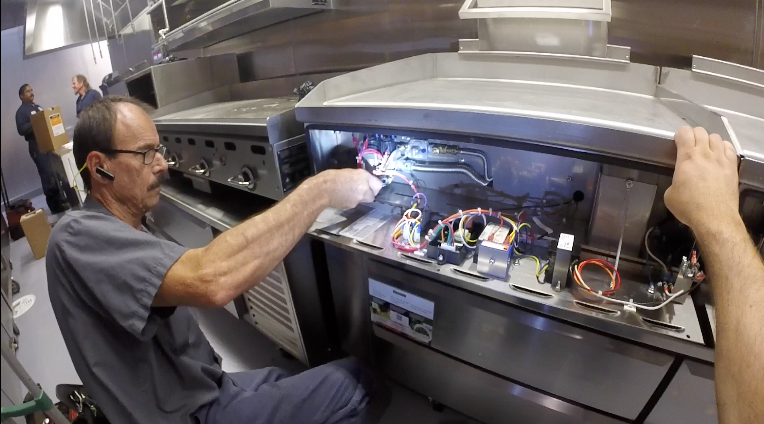
In practice, we often see that the fastest path to a smooth repair is a clear symptom timeline—what changed, how long it’s been happening, and whether it correlates with peak production periods or specific staff workflows. When teams capture those details consistently, diagnosis tends to be more straightforward and follow-up visits are easier to avoid.
When It’s Time to Bring in Professional Service
- ✓ Temperature can’t be maintained: Refrigeration that won’t hold setpoint, shows repeated alarms, or has product at risk should be escalated.
- ✓ Repeated electrical events: Frequent breaker trips, burning smells, warm receptacles, or power loss during normal operation require professional attention.
- ✓ Leaks, standing water, or persistent condensation: These can indicate mechanical, drainage, or airflow problems and can create slip and sanitation concerns.
- ✓ Unusual noises, vibration, or short-cycling: Intermittent symptoms are still actionable—log them and request evaluation.
- ✓ Controls, ignition, or safety interlocks act inconsistently: If equipment won’t start reliably or behaves unpredictably, treat it as a service item.
Common Questions Answered
How often should a facility run an operational checklist for foodservice assets?
Many teams use a combination: quick daily observations for high-impact items (like cold storage) and a deeper weekly or monthly review for trends, documentation, and recurring issues.
What details should we collect before submitting a service request?
Capture the asset ID (or location in the kitchen), what the unit is doing versus expected behavior, when it started, how often it occurs, any displayed codes, and relevant temperature or cycle notes.
Which equipment problems are most disruptive to operations?
Issues that affect temperature control, cooking throughput, and sanitation cycles tend to create the fastest operational impact—especially when they reduce capacity during service periods.
How can multi-site operators keep reporting consistent across locations?
Use the same checklist format, the same priority tags, and a shared log structure. Consistency helps dispatch and technicians understand the issue without re-collecting basic details.
Is it better to repair or replace a failing unit?
It depends on operational risk, parts availability, condition, and how the asset fits your standardization goals. A provider can help evaluate options after confirming the root cause and total impact.
Taking Action
A repeatable checklist helps you reduce surprises, communicate issues clearly, and prioritize the equipment that keeps service moving. Start by standardizing what your team observes, logging performance indicators, and escalating the warning signs that can’t wait. Over time, the combination of consistent documentation and planned maintenance can make budgeting and downtime planning more predictable.
Want More Information?
Download our free resource to learn more about this topic.