

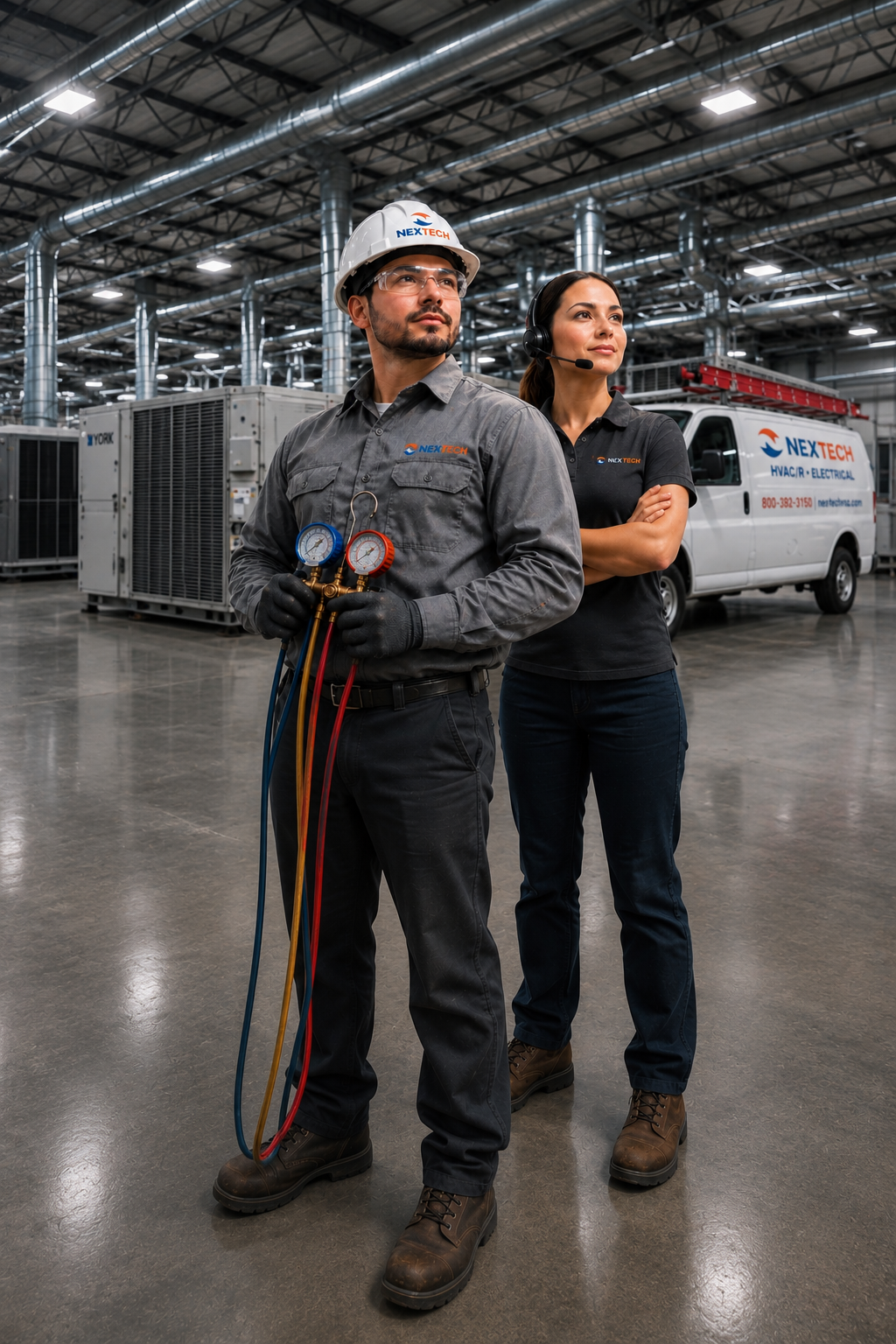
We keep you running.
All day, Every day.
Essential services provider for commercial buildings
More details- 24 24/7 emergency service
- ⚙ Expert technicians
- ✓ Preventative maintenance
- ↗ Maximum efficiency
Nextech Commercial HVAC & Refrigeration Services
Why Choose Nextech?
Servicing local-single location to national multi-site commercial businesses. Industry leader essential to small town communities to Fortune 500 companies.
Commercial HVAC & Refrigeration
Our primary services include commercial HVAC services and installations for multi-site commercial customers.
read moreCommercial Kitchen Equipment
We specialize in all commercial kitchen equipment types and brands.
A Properly Maintained Kitchen
= Less Equipment Downtime &
Customer Profitability
Commercial Lighting/Electrical
We provide commercial electrical and lighting solutions to ensure safety, energy efficiency, and reliable performance across your facilities.
read moreAsset Management
Start operating more efficiently and protect your investment with our preventative maintenance and asset management software.
Preventative Maintenance
Nextech offers comprehensive preventative maintenance programs. Proper maintenance allows your equipment to operate at peak
read more24/7 Commercial HVAC Emergency Services
Nextech has [cgv offices]+ regional offices strategically located nationwide and provides self-performing commercial HVAC/R service across the continental United States
read moreContact Us
Get in touch with your local representative and start your service immediately.
Experience the advantages of local support right in your city. Simply fill out the form below, and your dedicated local representative will contact you to assist with your service needs.
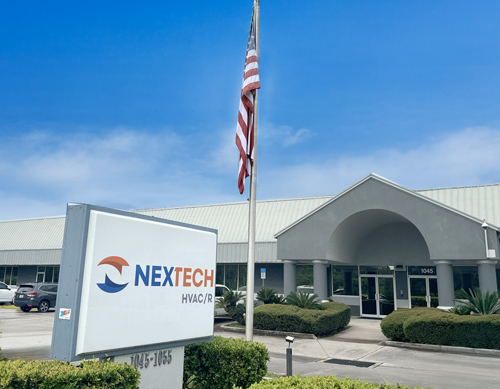
1045 S John Rodes Blvd.
Melbourne, FL 32904
Phone:
800-382-3150
Frequently Asked Questions (FAQ)
General
HVAC Services
Refrigeration
Kitchen Equipment
Lighting & Electrical
Service Areas & Scheduling
24-HOUR NATIONWIDE SERVICE | CALL 800-382-3150
We are proud to be America’s Largest Independent Self-Performing HVAC/R Service Provider. Over the past [cgv history-years] years, our continued focus on Quality, Value, and Integrity has enabled us to create strong relationships with thousands of long-term customer partners. From nationwide coverage to 24/7 service and exclusive technology, we are here for all your commercial HVAC/R needs. With Nextech, you will have a dedicated support team that will help you achieve your goals in managing and servicing every aspect of heating, cooling, and refrigeration throughout your multi-site operations. Our goal is to establish strong relationships and be strategic partners for the long term.24-HOUR NATIONWIDE SERVICE | CALL 800-382-3150
We are proud to be America’s Largest Independent Self-Performing HVAC/R Service Provider. Over the past [cgv history-years] years, our continued focus on Quality, Value, and Integrity has enabled us to create strong relationships with thousands of long-term customer partners. From nationwide coverage to 24/7 service and exclusive technology, we are here for all your commercial HVAC/R needs. With Nextech, you will have a dedicated support team that will help you achieve your goals in managing and servicing every aspect of heating, cooling, and refrigeration throughout your multi-site operations. Our goal is to establish strong relationships and be strategic partners for the long term.
Facili-Trac
Internet Based Asset Tracking & Facilities Management System
We provide each of our customers with Facili-Trac, an internet-based software program exclusively designed by the Nextech development team. This program is designed to assist facility managers in tracking their HVAC/R expenditures and making accurate, reliable capital planning decisions. Facili-Trac allows you to track your progress and stay up to date on work performed from the convenience of your phone or desktop.
WHO WE SERVE
Who We Serve
Retail
Big to Small Retail
Restaurants
Focus on Food and Service
Convenience Stores
Serving National & Regional
Pharmacies
Serving Local & National Chains
Grocery Stores
Warehouse Food Clubs
Movie Theatres
Theatre Chains Trust Us
Public Storage
Storage Facilities
Healthcare
Serving Care Facilities
Data Centers
Telecom Industry
Frequently Asked Questions (FAQ)
Corporate Headquarters
Commercial HVAC Services
We install and service a full range of commercial heating and cooling systems, including rooftop units, split systems, VRF systems and heat pumps. Our team is experienced in all types of commercial HVAC work, ensuring your building’s system is designed for efficiency, reliability, and long-term performance.
Modern commercial climate control solutions use advanced sensors and variable-speed technology to optimize energy use throughout your facility. As the commercial HVAC market evolves, new systems are designed to reduce energy waste, lower utility costs, and create a more comfortable, productive environment for employees and customers alike.
We recommend following an HVAC checklist for maintenance that includes inspections at least twice per year — once before cooling season and once before heating season. Regular preventive maintenance for HVAC systems helps identify potential issues early, improving efficiency and extending equipment lifespan.
Our HVAC specialists hold all necessary state and federal licenses, including EPA certification for refrigerant handling and NATE certification for technical excellence. When you hire HVAC technicians from our team, you can trust they’re trained, experienced, and committed to safety and quality workmanship.
Absolutely. Our experts can integrate your commercial climate control equipment with a facility energy management system to monitor and automate temperature, humidity, and energy use. This integration enhances comfort, reduces waste, and provides real-time data to improve operational efficiency.
Commercial Kitchen Equipment
We provide expert commercial kitchen equipment service for a wide range of appliances, including ovens, fryers, ranges, dishwashers, and refrigeration units. Our technicians are trained to maintain and repair all major brands of commercial kitchen equip, ensuring reliable performance and compliance with health and safety standards.
Our commercial kitchen servicing programs include scheduled inspections, cleaning, and component checks to minimize downtime and extend the life of your appliances. We align our preventive maintenance HVAC approach with kitchen systems to ensure complete operational efficiency across cooking, cooling, and ventilation equipment.
Yes, our technicians specialize in commercial cooking equipment repair for both gas and electric models. From burners to heating elements, we handle it all safely and efficiently. Our professional kitchen electrical service ensures your equipment meets code and operates at peak performance.
If your refrigerator isn’t maintaining temperature, contact us for prompt refrigeration service. Our technicians will diagnose issues such as refrigerant leaks, compressor failures, or airflow problems. Regular commercial refrigeration maintenance can prevent most cooling failures and protect your inventory from spoilage.
Safety is our top priority during all commercial kitchen servicing. We follow strict safety protocols, use lockout/tagout procedures, and inspect all electrical connections. Our professional kitchen electrical service team ensures compliance with fire and electrical codes to keep your staff and facility safe.
Yes, our team of certified commercial kitchen equipment installers provides full installation services for new ovens, fryers, refrigeration, and ventilation systems. We also offer ongoing commercial kitchen equipment service to ensure your investment performs efficiently for years to come.
Commercial cooking equipment should be inspected quarterly using an HVAC checklist for maintenance to ensure optimal performance. Regular preventive maintenance HVAC inspections help identify early signs of wear, prevent costly breakdowns, and maintain compliance with safety standards.
Yes, we provide 24/7 emergency service for all types of commercial kitchen appliances. Our service specialists are on call day and night to handle urgent repairs and minimize downtime so your kitchen can get back to full operation quickly.
We maintain access to a wide network of commercial kitchen suppliers to source hard-to-find or discontinued commercial kitchen parts. Whether you operate a small café or a large restaurant, we can quickly locate the components you need to restore your equipment to working order.
Emergency / Repair Services
We provide 24/7 emergency service for all types of commercial HVAC emergencies, including system failures, refrigerant leaks, and airflow issues. Our experienced service specialists respond quickly to restore comfort and prevent operational downtime.
Yes — our 24/7 emergency service ensures help is always available, even after business hours. Our service specialists are on standby nights, weekends, and holidays to handle urgent repairs and system failures for commercial hvac and refrigeration service.
With our 24/7 emergency service, we prioritize repair requests based on urgency, safety, and business impact. Our service specialists triage calls to ensure the fastest response to critical issues that affect your operations or facility safety.
Yes — our refrigeration service team provides rapid response and preventative industrial freezer maintenance to protect your inventory. We minimize downtime and ensure your perishable goods remain safely stored during repairs.
Yes. Our certified HVAC specialists are trained to handle all types of system emergencies, including complex repairs and diagnostics. When you hire HVAC technicians from our team, you get skilled professionals ready to respond 24/7.
HVAC Companies / Specialists / Brands
We service all major brands, including Air Rite Service and Arctic HVAC systems. Our technicians are factory-trained to handle repairs, maintenance, and warranty work across a wide range of commercial HVAC equipment.
Comprehensive HVAC Service Offerings
At Nextech, we pride ourselves on our extensive knowledge and experience in servicing a variety of HVAC brands beyond just Air Rite and Arctic. Our team is equipped to manage a diverse array of systems, including Trane, Carrier, Lennox, and Goodman, among others. Each brand has its unique specifications and requirements, and our technicians undergo continuous training to stay updated on the latest technologies and practices in the HVAC industry. This allows us to provide the highest level of service and ensure optimal performance for your commercial HVAC systems.
Importance of Regular Maintenance
Regular maintenance is crucial for the longevity and efficiency of your HVAC systems. By scheduling routine inspections and maintenance with Nextech, you can prevent unexpected breakdowns and extend the lifespan of your equipment. Our technicians perform comprehensive checks, including filter replacements, system calibrations, and refrigerant levels, to ensure that your HVAC system operates at peak efficiency. This proactive approach not only enhances performance but also reduces energy costs and improves indoor air quality for your commercial space.
Emergency HVAC Repair Services
In addition to scheduled maintenance, we understand that HVAC emergencies can occur at any time, often requiring immediate attention. Nextech offers 24/7 emergency repair services for all the brands we service. Our rapid response team is always ready to assist, ensuring minimal downtime for your business operations. Having a reliable HVAC partner like Nextech means you can rest easy knowing that expert help is just a phone call away, regardless of the hour.
Customer-Centric Approach
At Nextech, customer satisfaction is at the core of our services. We take the time to understand your specific HVAC needs and tailor our solutions accordingly. Whether you require installation, routine maintenance, or emergency repairs, our experienced technicians are committed to delivering quality workmanship and exceptional customer service. We believe that a well-informed customer is a satisfied customer, which is why we strive to educate our clients about their HVAC systems and the best practices for maintaining them.
Yes, we offer consultations for all commercial HVAC work, helping businesses choose the most efficient commercial heating and cooling systems for their space and budget. We assess energy goals, comfort needs, and equipment options before installation.
Yes. We guide clients through the commercial HVAC market to compare system efficiency, warranties, and long-term costs. Our commercial climate control expertise ensures you make the best choice for comfort and energy savings.
Yes — we provide full warranty service for leading brands like Air Rite Service and Arctic HVAC, ensuring all manufacturer requirements are met for reliable, compliant repairs.
All our HVAC specialists are EPA-certified to handle refrigerants safely. When you hire HVAC technicians from us, you can trust they follow environmental and safety regulations for every job.
Location-Specific Commercial HVAC / Repairs
Yes. Nextech is a national HVAC company with local service and coverage, we coordinate service across multiple commercial building types including: retail spaces, restaurants, convenience stores, enterainment spaces and storage faciliites.
Preventive & Predictive Maintenance
Regular preventive maintenance HVAC services keep your equipment clean, efficient, and operating within optimal parameters. With an HVAC preventive maintenance agreement, you can extend system lifespan and reduce costly repairs.
A thorough HVAC checklist for maintenance includes inspecting coils, checking refrigerant levels, and scheduling air handler filter replacement to ensure proper airflow and system efficiency.
We recommend refrigeration maintenance at least quarterly. Consistent commercial refrigeration maintenance helps prevent failures, maintain temperature accuracy, and reduce energy costs.
Yes, HVAC predictive maintenance identifies early signs of system stress before failures occur. When paired with a preventive maintenance contract, it significantly reduces emergency repair incidents.
Early warning signs for predictive maintenance HVAC include irregular temperatures, rising energy bills, or increased vibration. A proactive HVAC preventative maintenance contract ensures these issues are addressed early.
Yes — we offer customizable preventive maintenance contracts and HVAC preventative maintenance agreements designed around your business’s schedule, equipment type, and operational goals.
Absolutely. Air conditioning preventive maintenance ensures systems run efficiently, lowering utility costs. Combined with smart commercial climate control, it helps optimize energy usage across your facility.
We use our own advnaced HVAC asset management software, Facili-Trac, for facilities management asset tracking, allowing us to monitor service history, parts replacements, and performance trends across all your systems.
Refrigeration / Specialty Systems
Our refrigeration service covers all major refrigeration types, including walk-in coolers, reach-in freezers, display cases, and industrial cold storage systems.
Our technicians follow EPA and manufacturer guidelines for GWP refrigerant management and are trained in the latest new refrigerant 2025 standards to ensure full environmental compliance.
Yes, we provide expert commercial refrigeration maintenance and refrigeration service for walk-in freezers, display cases, and other large-scale refrigeration equipment.
Yes. Our refrigeration service team specializes in upgrading older systems through energy-efficient commercial refrigeration maintenance and retrofit solutions.
Yes — we install modern refrigeration types designed for efficiency and performance. Our commercial refrigeration maintenance ensures continued reliability and reduced energy consumption.
We provide rapid refrigeration service and proactive preventative industrial freezer maintenance to protect perishable goods and minimize costly downtime during system failures.
Yes, all technicians are certified in new refrigerant 2025 handling procedures and GWP refrigerant compliance, ensuring your systems meet current environmental standards.
Absolutely. We service all refrigeration types and can integrate them with your facility energy management system for unified monitoring, improved efficiency, and streamlined operations.
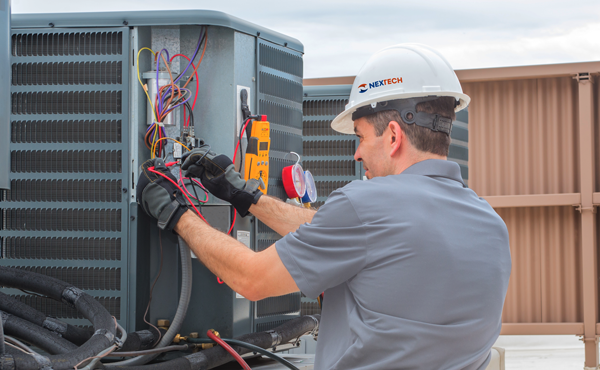
Commercial HVAC &
Refrigeration Expertise
Our network of licensed commercial HVAC and Refrigeration technicians provides service to Fortune 500 companies and large business
nationwide.

Dedicated Emergency Support
Available 24/7
Together, we build a custom-tailored maintenance and energy savings program that meets your business and savings goals.
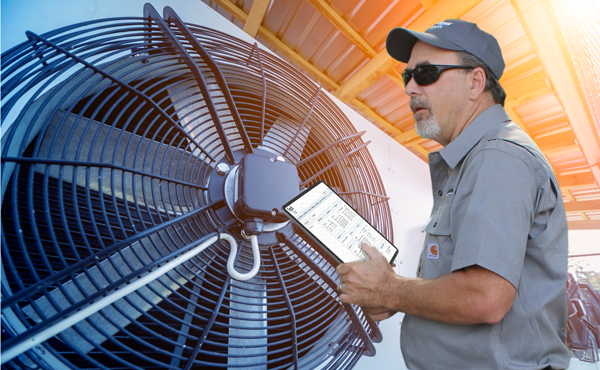
Comprehensive Asset
Management
Start operating more efficiently and protect your investment with our preventative maintenance and asset management software.